
Short answer
Porcelain is the safest all-round choice for shower walls and floors: dense, water-resistant and low-maintenance. Ceramic is excellent on walls. Glass is a beautiful accent for walls but slippery on floors. Natural stone works with regular sealing and care. For the floor, choose tile rated for wet areas, and consider small mosaics for grip.
A shower is the hardest-working tile job in the house: water every day, soap and shampoo, heat, and bare feet on a wet floor. The good news is that almost any tile can look great in a shower. The key is matching the material to where it goes, and making sure the waterproofing behind it is done right, because tile alone does not keep water out.
The main materials
Porcelain
Porcelain is fired at high temperatures into a very dense body that absorbs almost no water. It comes in every look (marble, concrete, stone, wood, solid colour) and every size, from small mosaics to large panels. It is hard-wearing, easy to clean and does not need sealing. For most showers, porcelain is the default recommendation for both walls and floor.
Ceramic
Ceramic tile is softer and more porous than porcelain underneath its glaze, but the glaze itself is waterproof. It is perfect for shower walls, including classic subway tile and handmade-look glazed tile, and it is often easier to cut into detailed shapes. For shower floors, porcelain is usually the better choice.
Glass
Glass tile reflects light and gives a luminous, colourful finish, which makes it a favourite for feature walls and niches. It is non-porous and easy to clean. On floors it is usually too slippery unless the product is specifically made for it. Glass also shows the setting material behind it, so it needs a white mortar and careful installation.
Natural stone
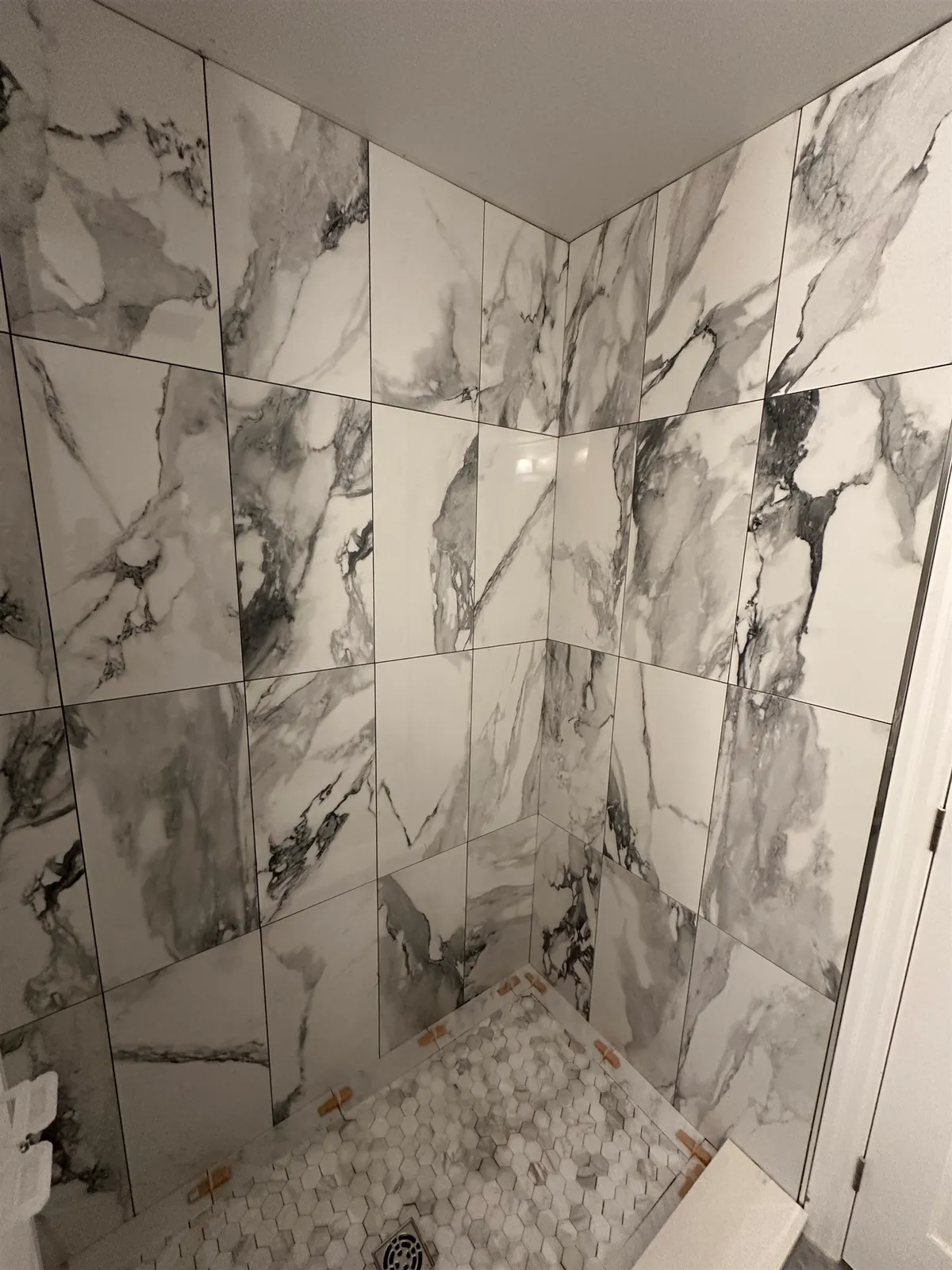
Marble, travertine, slate and granite are beautiful and each piece is unique. Stone is porous, so it needs sealing when installed and resealing over time. Marble is also sensitive to acids, so some cleaners and even some shampoos can dull ("etch") polished marble. A honed (matte) finish is more forgiving and less slippery than polished. If you love the look but not the upkeep, marble-look porcelain is a practical alternative.
The shower floor: grip comes first
A shower floor has to be comfortable and safe when wet. Things that help:
- Tile rated for wet floors. Manufacturers publish a slip-resistance rating (often shown as DCOF). Ask for tile that the manufacturer recommends for shower floors, not just for walls.
- Matte or textured finishes rather than polished or high-gloss.
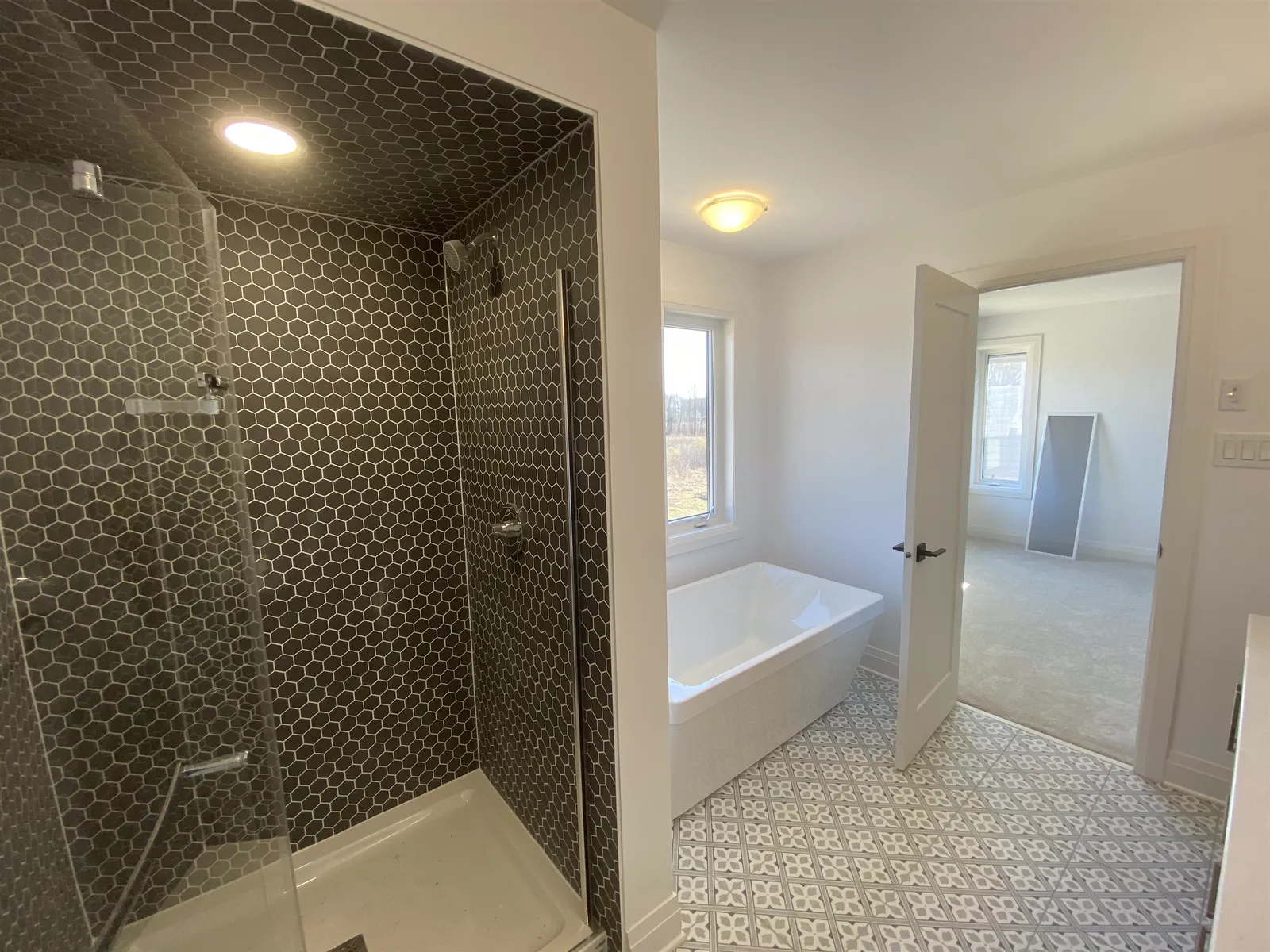
- Smaller tiles. Mosaics such as 2 × 2 inch squares or hexagons have many grout lines, which add grip underfoot. They also bend easily to the slope of a centre drain.
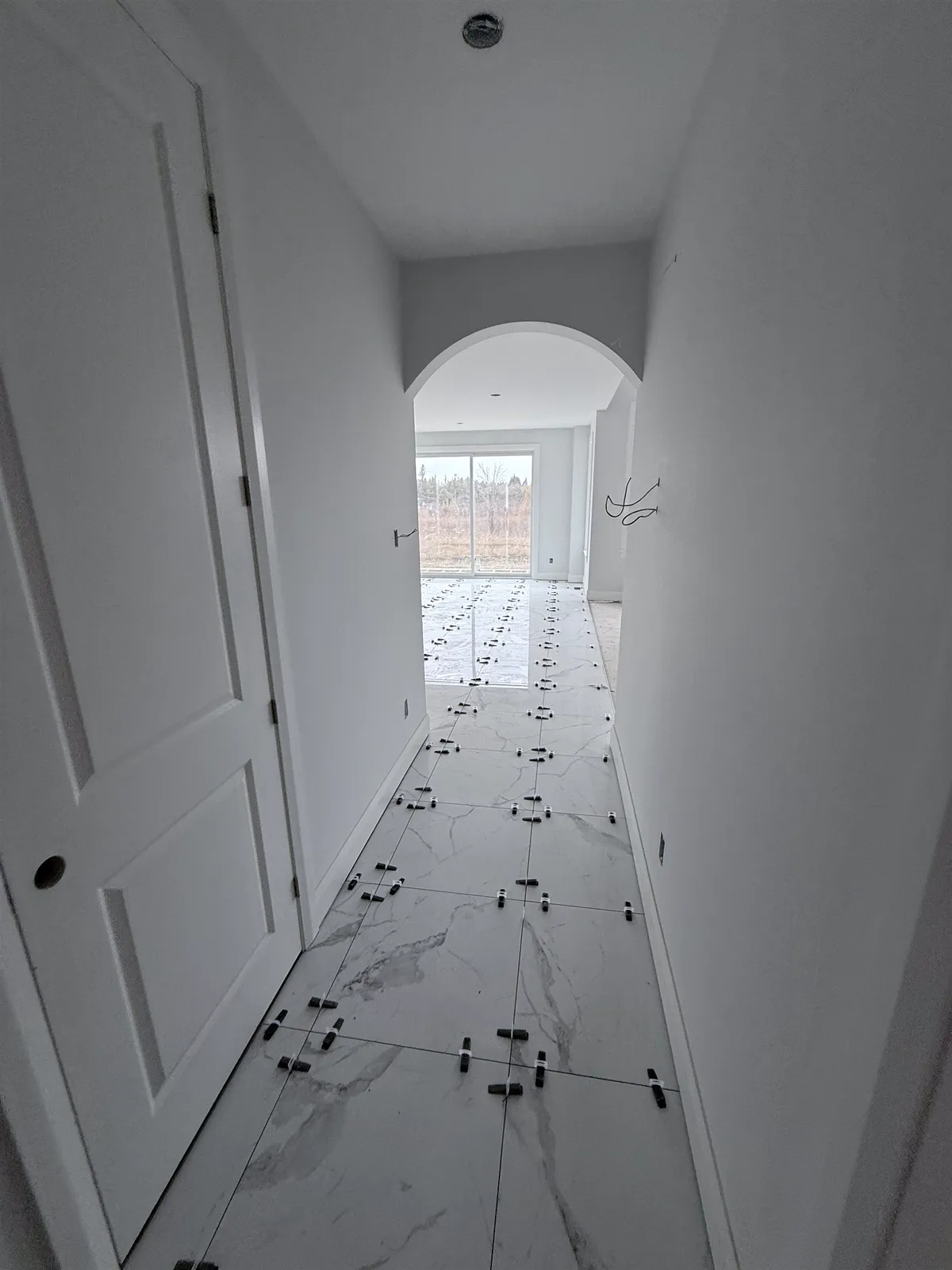
- Large tiles with a linear drain. If you want big tiles on the shower floor, a linear drain lets the floor slope in one direction so the tiles can stay flat. See our large-format tile guide.
Tile size and cleaning
Grout lines are where cleaning time goes. Larger wall tiles mean fewer grout lines and faster cleaning; mosaics mean more. You can also reduce upkeep with a stain-resistant grout such as epoxy. Our guide to grout types explains the options.
Design details to decide early
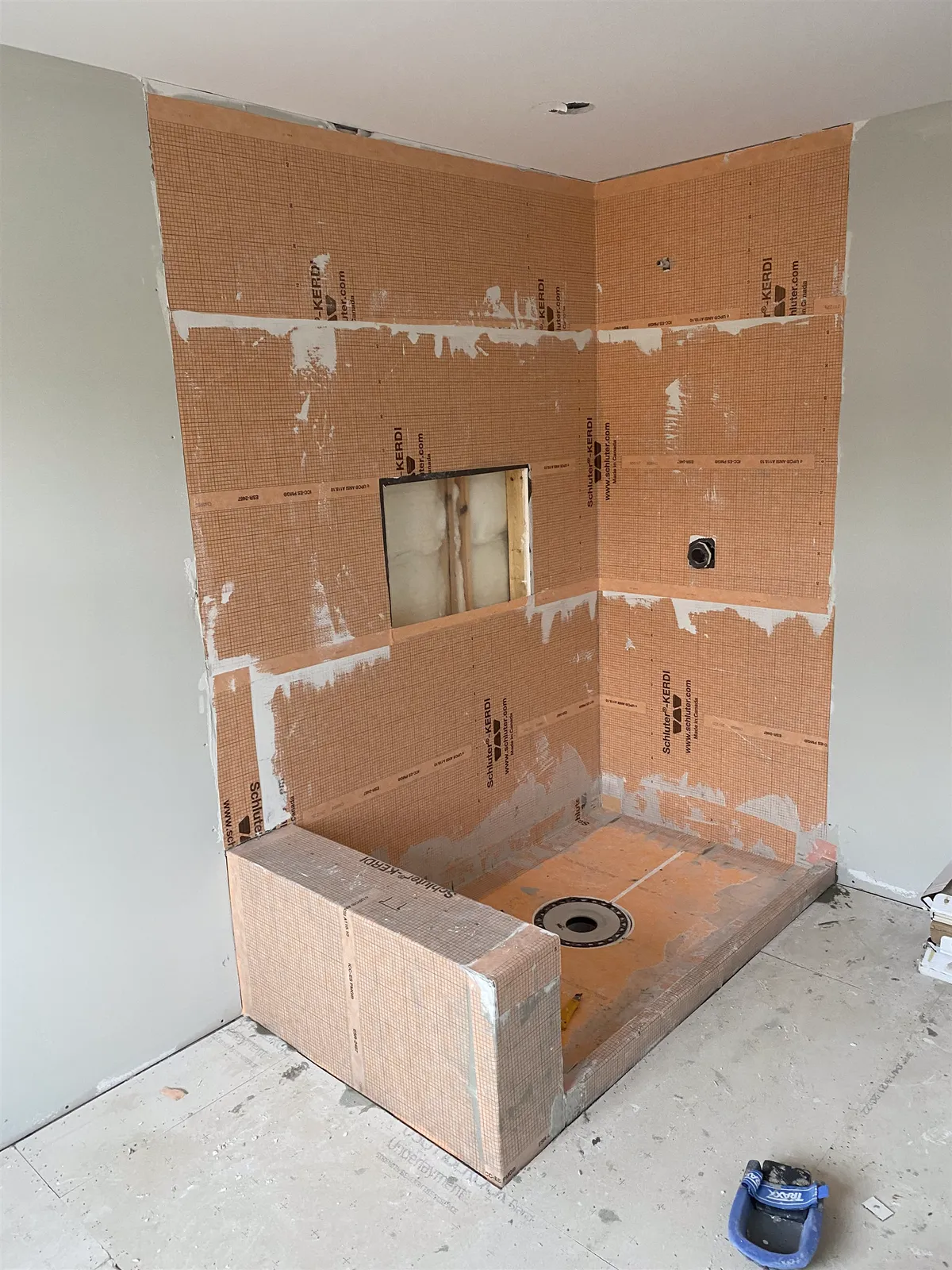
- Niches and benches: plan their size to fit whole tiles or neat cuts, and make sure they are waterproofed like the rest of the shower.
- Edges: exposed tile edges can be finished with metal or PVC edge profiles, or mitred corners.
- Where the tile stops: full height to the ceiling looks more finished and is easier to keep clean than stopping a little above the shower head.
- Matching the bathroom floor: many people run the same tile from the bathroom floor into a curbless shower for a seamless look.
A simple way to choose
- Pick the floor tile first, for grip and slope (mosaic, or large tile with a linear drain).
- Pick the wall tile for looks and cleaning (porcelain or ceramic, larger for less grout).
- Add one accent if you want one: a niche, a feature wall or a band of glass or stone.
- Choose the grout colour last, with samples next to the tile.
Want to try combinations first? Our 3D Design Studio lets you test tile, patterns and grout colours in a bathroom before you decide.