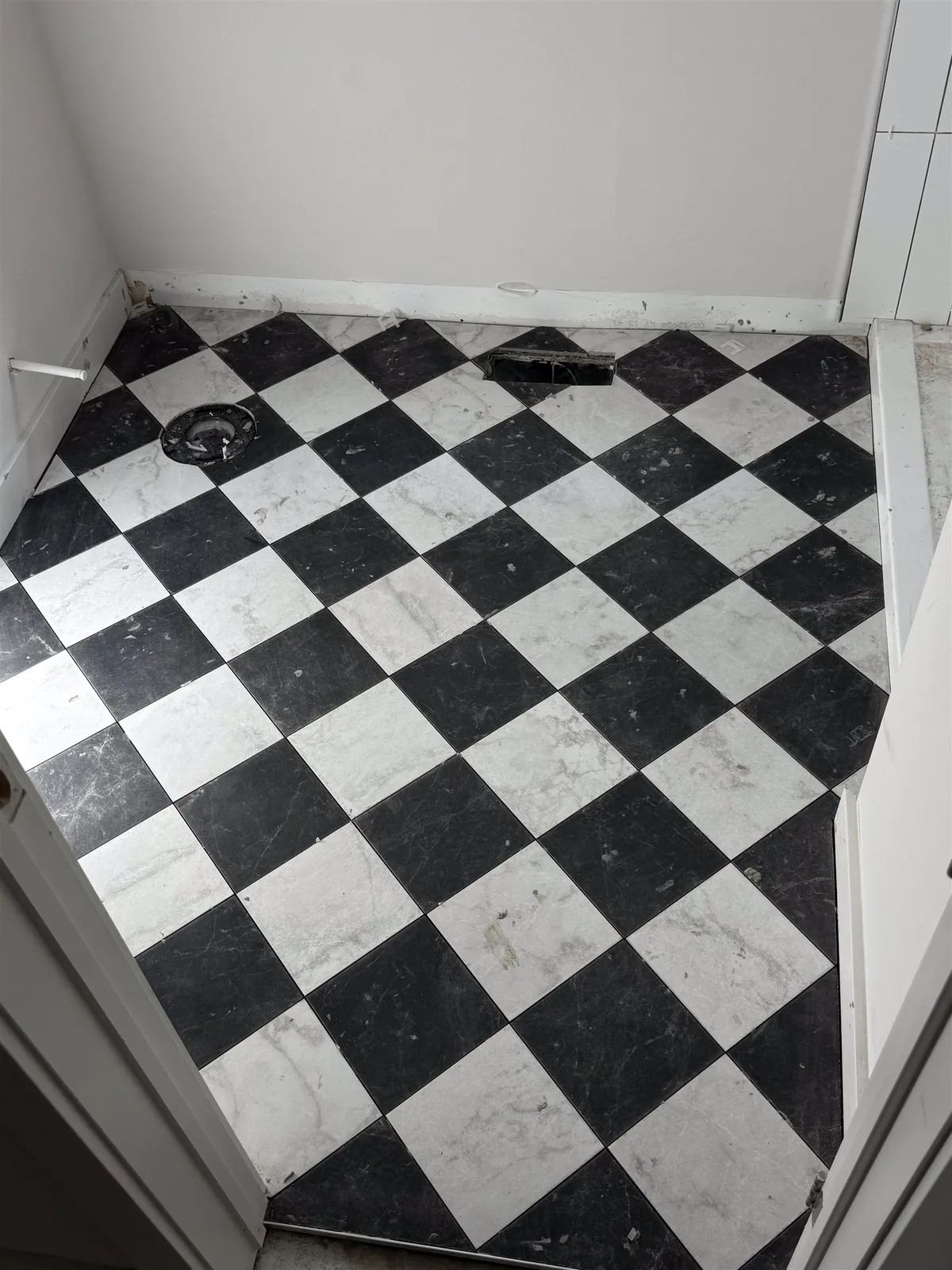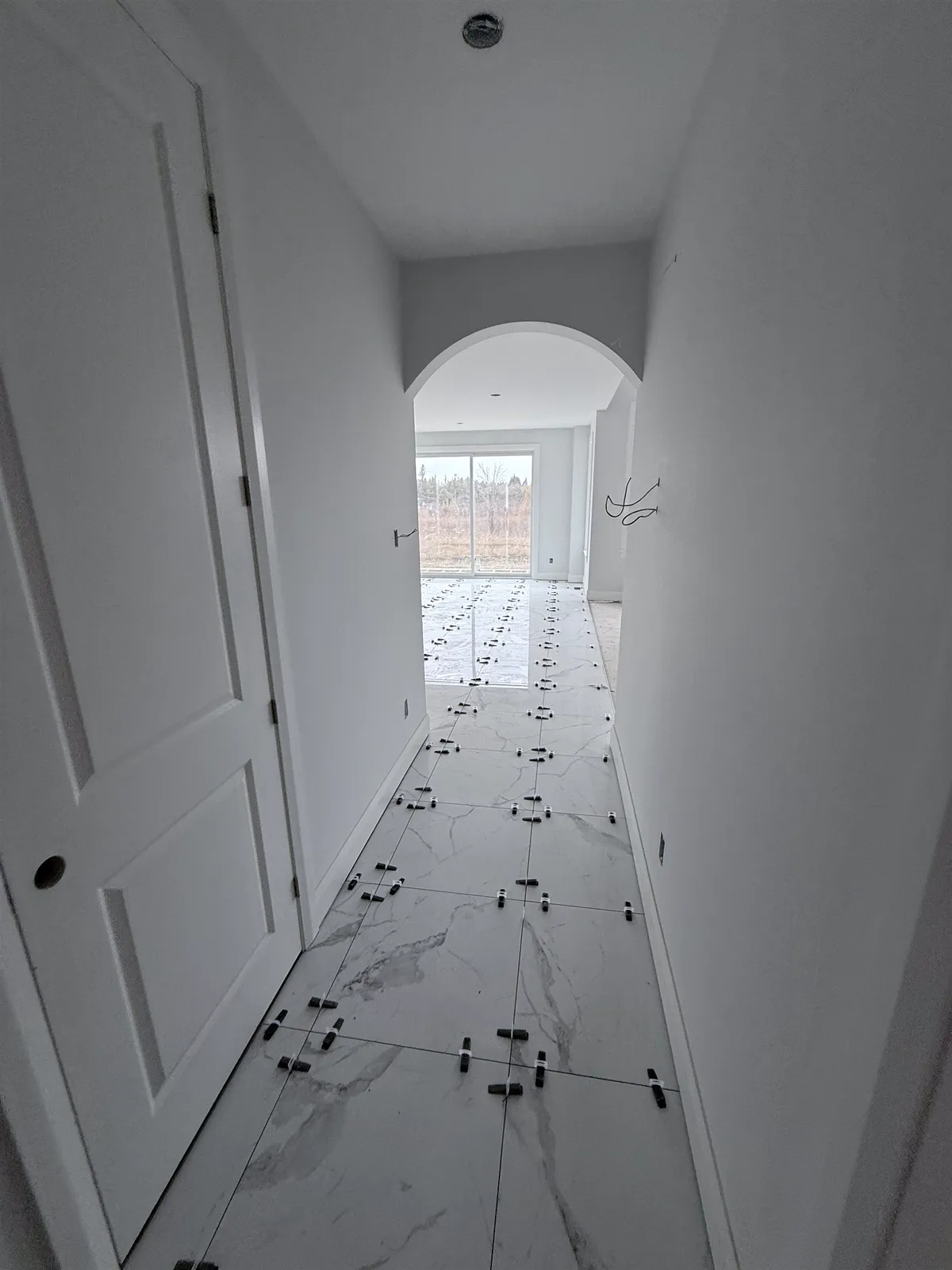

Short answer
Clean natural stone with a stone-safe, pH-neutral cleaner and never use vinegar, lemon or other acids, which etch marble, limestone and travertine. Keep it sealed (check with a few drops of water), blot spills quickly, and use mats and felt pads to protect it from grit.
Stone is beautiful because it's natural, and that also means it's softer and more porous than porcelain. A few habits keep it looking the way it did on day one.
Everyday cleaning
- Dust-mop or vacuum often. Grit is like sandpaper on polished stone.
- Damp-mop with warm water and a cleaner labelled safe for natural stone.
- Dry polished floors after mopping to avoid water spots.
Never on stone
- Vinegar, lemon, and acidic or "bathroom" cleaners. Marble, limestone, travertine and onyx are calcium-based: acids dissolve the surface and leave dull, rough marks called etching.
- Bleach and ammonia used regularly, which can dull the finish and break down sealers.
- Abrasive powders and pads.
Etching vs. staining
- Etching is a dull, lighter mark where something acidic (wine, juice, tomato, cleaner) ate into the surface. It's damage to the stone, not a stain, and on polished stone it needs re-honing or polishing by a stone professional.
- Staining is colour that soaked in, usually oil or coffee. Fresh stains often lift with a poultice made for stone; old ones may need a professional.
Sealing and the water test
Most natural stone is sealed after installation to slow down staining. To check whether it needs resealing, put a few drops of water on the surface and wait 10 to 15 minutes:
- Water beads up and the stone doesn't darken: the sealer is working.
- The stone darkens under the drops: it's absorbing water, and it's time to reseal.
Showers, kitchens and entries need resealing more often than low-traffic rooms. Use a sealer made for your type of stone.
Slate in entries and mudrooms
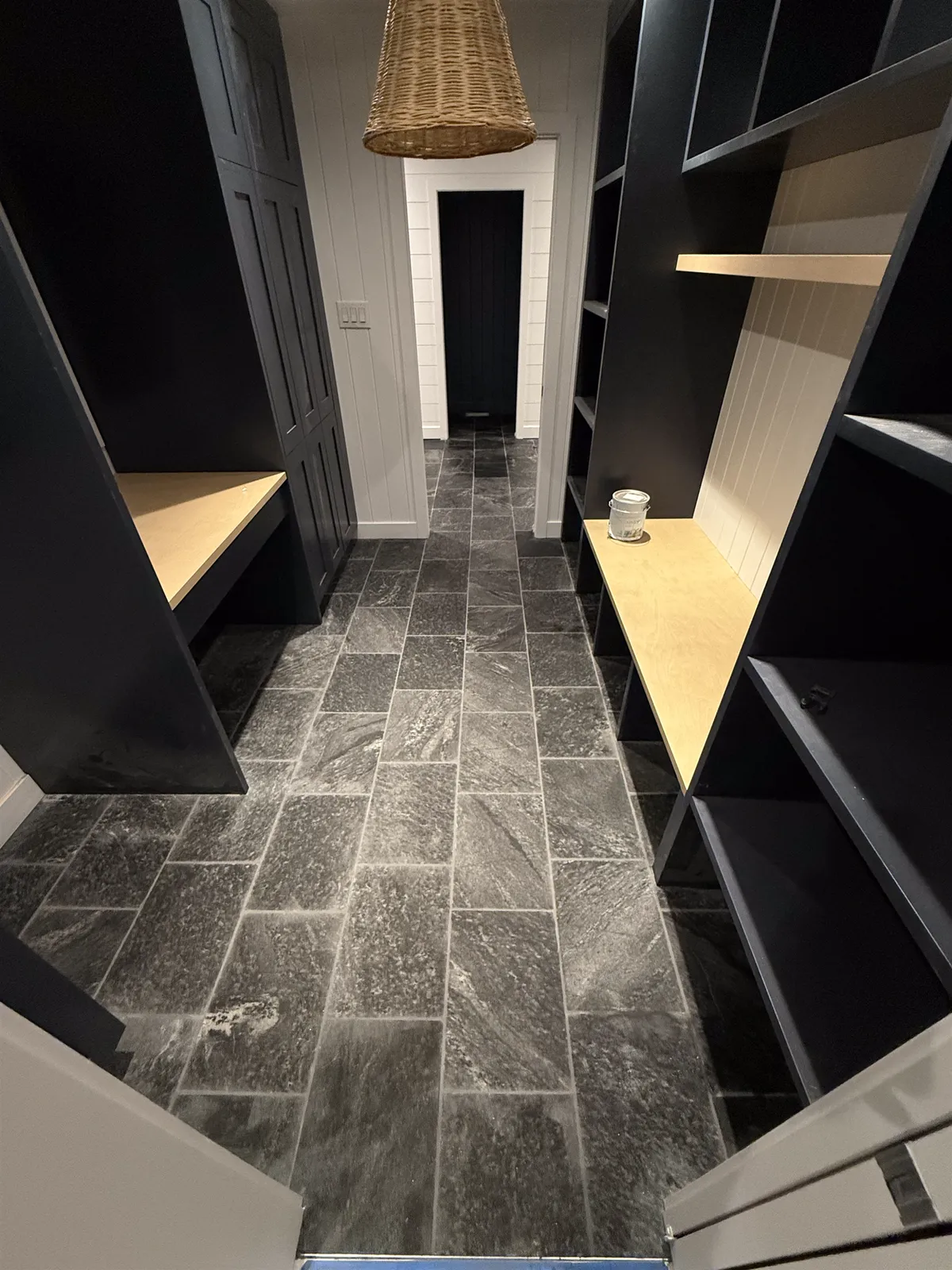
Slate is tough and hides dirt well, which makes it a great entry floor. Sweep grit and salt often, mop with a stone-safe cleaner, and keep it sealed so winter salt residue wipes off instead of soaking in.
Protecting stone
- Mats at every entrance, felt pads on furniture, and no dragging heavy items.
- Coasters and trays under bottles in bathrooms and kitchens.
More care guides: see all our floor care guides.