Short answer
Carpet types differ in two ways: the fibre and the construction. Berber carpet is a loop pile: tough and good at hiding traffic, but loops can snag on claws. Cut pile carpets (plush, saxony, textured and frieze) are softer, and the more twisted styles hide footprints and wear better. For fibre, nylon is the most resilient, polyester is soft and good value but mats sooner, triexta is promoted for stain resistance, wool is the natural premium choice and olefin resists moisture but crushes more easily.
Walk into a carpet showroom and you will hear a lot of carpet types named at once: berber, frieze, saxony, plush, cut-and-loop, nylon, triexta. They are not all the same kind of thing. Some describe what the yarn is made of. Others describe how the yarn is built into the carpet. A carpet is always one of each, such as a nylon frieze or an olefin berber.
Understanding both halves makes choosing much easier. This guide explains how carpet is made, the main fibres and constructions, what each means for wear, matting, pets and stains, and which carpet types suit which rooms.
How carpet is made
Most wall-to-wall carpet sold for homes is tufted. Machines with rows of needles push yarn through a primary backing fabric, forming loops on the face. The loops are either left as loops or cut, which gives loop pile or cut pile. A layer of latex then locks the tufts in place, and a secondary backing is bonded underneath for strength. Some premium carpets, often wool, are woven instead, with the face and backing made together on a loom.
Three measures describe the result. Density is how closely the tufts are packed. Twist is how tightly each tuft of yarn is twisted and set, which matters most in cut pile. Face weight is how much yarn is on the surface, usually given in ounces per square yard. A heavy face weight can come from tall, loose pile or short, dense pile, so face weight alone doesn't tell you much. Density and twist are better guides to how a carpet will wear.
A quick test helps in the store. Bend a sample back over your fingers. If the tufts part and you can see a lot of backing, the carpet is loosely made. If the face stays closed, it is dense. Then press your thumb into the pile. A dense carpet pushes back firmly.
Carpet fibres: nylon, polyester, triexta, wool and olefin
The fibre decides how the carpet resists crushing, stains, moisture and fading.
Nylon
Nylon is the most resilient common carpet fibre. It springs back after being stepped on, so it resists matting in busy areas. That is why it is a common choice for stairs, halls and family rooms, and for much commercial carpet. Nylon is not naturally stain-resistant, so most nylon carpets for homes carry a stain-resistant treatment. It usually costs more than polyester.
Polyester (PET)
Polyester is soft, takes colour well and is good value. It naturally resists many water-based stains. Some polyester carpet is made from recycled plastic bottles. Its weakness is resilience: it springs back less than nylon, so a polyester carpet tends to mat sooner in heavy traffic. It is a good fit for bedrooms and other lower-traffic rooms.
Triexta (PTT)
Triexta is a newer fibre in the polyester family. Makers promote it for stain resistance and softness, with better resilience than standard polyester. As with any fibre, compare the maker's wear and stain warranties rather than relying on the fibre name alone.
Wool
Wool is the natural premium fibre. It is resilient, durable and rich-looking, and it ages well. It costs more, and it needs more careful cleaning, because some stains and cleaners affect wool differently from synthetics. It is less suited to basements and other places where moisture is a risk.
Olefin (polypropylene)
Olefin is inexpensive and resists moisture, mildew and fading. It is common in berber loops, carpet for basements and outdoor carpet. It crushes more easily than nylon. It also tends to hold oily soil, so traffic lanes can look dull in busy areas. It works best as a dense, low loop.
One more term is worth knowing. Solution-dyed fibres have the colour added while the fibre is made, so the colour runs all the way through. Solution-dyed carpets resist fading and bleach far better than carpets dyed afterwards. Olefin is almost always solution-dyed, and many nylon and polyester carpets are too.
Nylon vs polyester carpet
This is the comparison most shoppers end up making, because the two fibres cover most of the home carpet market. The honest answer is that each wins in a different room.
Nylon is the better choice where traffic is heavy: stairs, halls, family rooms and homes with active kids or pets. Its resilience means it keeps its look longer where people walk most. Polyester is the better value where traffic is light: bedrooms, guest rooms and formal living rooms. It feels soft and comes in rich colours, and in those rooms its lower resilience matters less.
Triexta sits between them. It offers polyester-family softness and stain resistance with better resilience than standard polyester. In every case, a dense, well-made carpet of a lesser fibre often outlasts a loose, poorly made carpet of a better one. Check the construction as well as the fibre.
Cut pile carpet types: plush, saxony, textured and frieze
In cut pile carpet, the tops of the loops are cut, leaving upright tufts. Cut pile is the softest construction and the most common in homes. The styles differ mainly in how much the yarn is twisted and how the surface is finished.
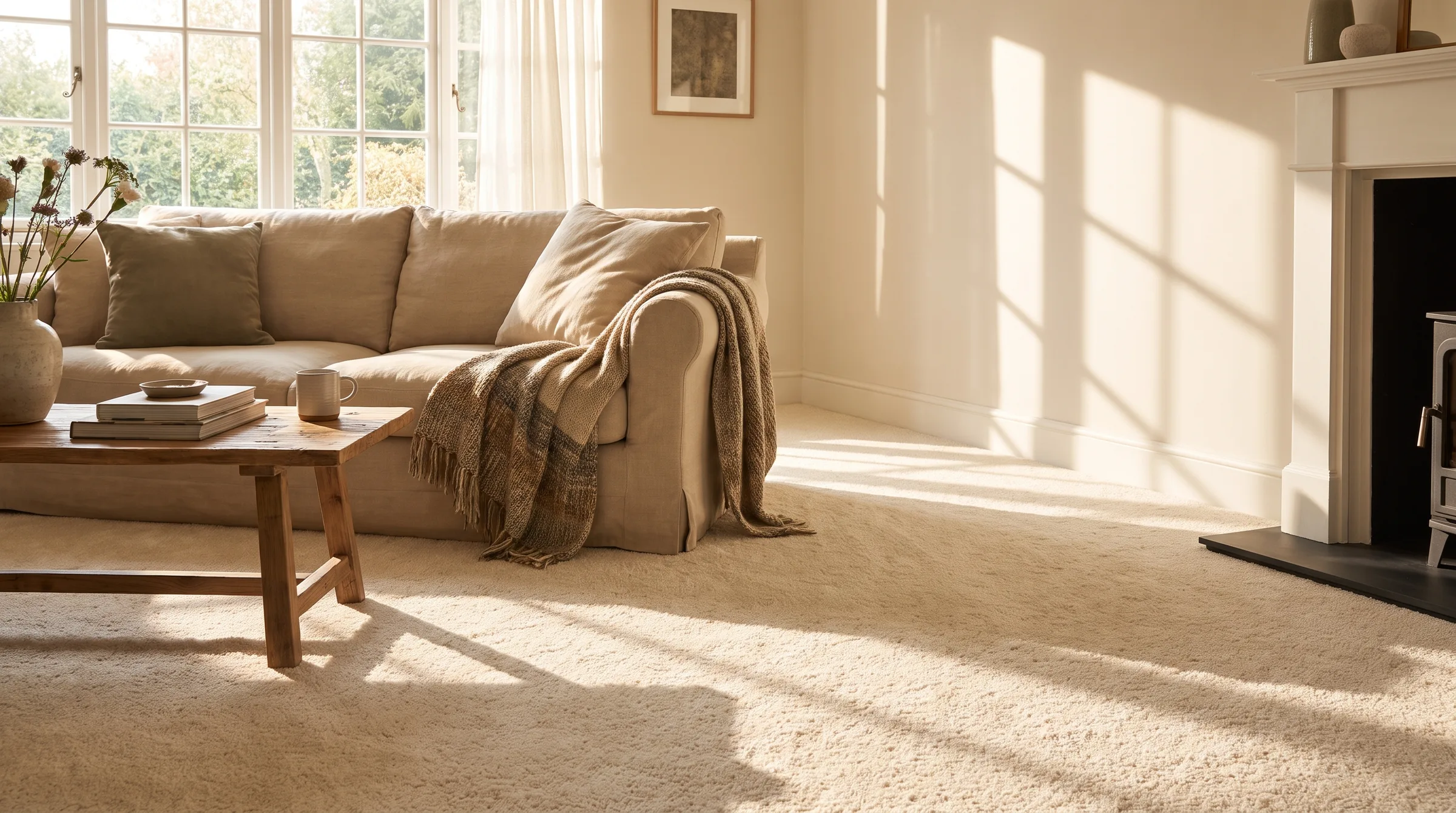
Plush, sometimes called velvet, has a smooth, even surface with lightly twisted, closely packed tufts. It looks formal and feels soft. It shows footprints and vacuum marks, because the tufts lean and catch the light differently. It suits low-traffic rooms such as bedrooms and formal living rooms.
Saxony has tufts that are twisted and heat-set so they stand upright, giving a smooth, finished look. Classic saxony also shows footprints. Textured saxony, sometimes sold as trackless, has tufts twisted unevenly so the surface has a slight, random texture. It hides footprints and vacuum marks well. It is one of the most popular carpet types for whole houses.
Frieze (pronounced free-zay) has very tightly twisted yarn that curls over at the tips. It looks casual and slightly shaggy. The high twist makes it durable and good at hiding footprints, soil and wear. It is a strong choice for family rooms and other busy areas.
Shag has long, loosely spaced yarn. It is mostly about looks. It mats in traffic and is hard to keep clean, and it doesn't belong on stairs.
Berber carpet and other loop piles
In loop pile carpet, the yarn loops back into the backing and is not cut. Loops resist crushing, so loop carpets often handle traffic well and show fewer footprints. There are three main kinds.
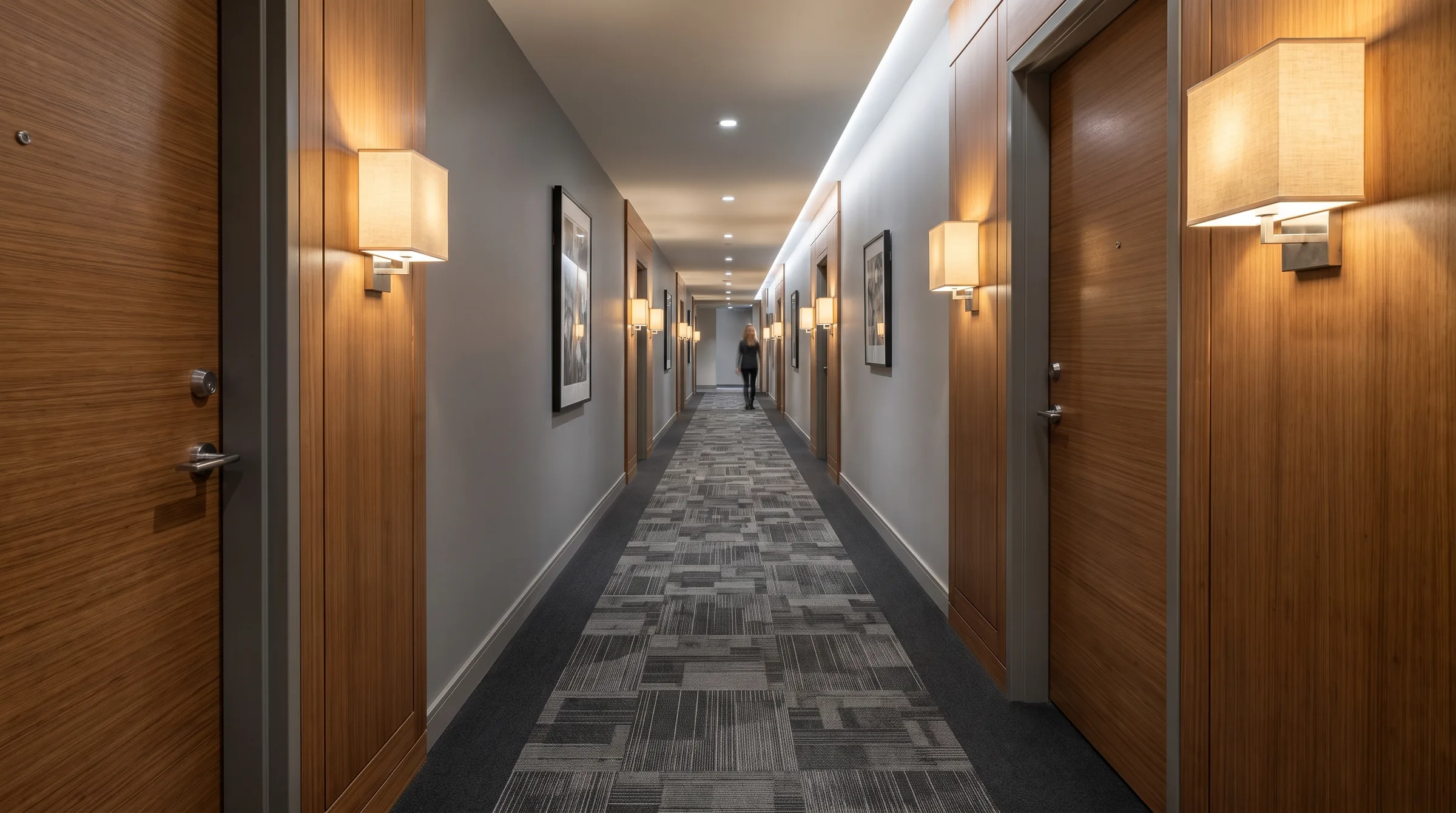
Level loop has loops all the same height. It is firm, low and very durable, and it is common in offices and commercial carpet. Multi-level loop uses loops of different heights to create a pattern or texture, which helps hide soil.
Berber carpet is the name most people use for loop carpet in homes. The name comes from handwoven fabrics with flecks of colour, and many berbers still have a flecked look. Berber is usually made in a thick, chunky loop. It is often olefin, which keeps the price down, or nylon, which wears better, and sometimes wool.
Berber has clear strengths. It is durable in traffic, hides footprints and suits basements, family rooms and home offices. It also has drawbacks worth knowing. Loops can snag on pet claws, toys and furniture legs. In some loop carpets a pulled loop can run along the row, which is often called zippering. Seams are harder to hide in loop carpet than in cut pile. Berber also feels firmer underfoot, and it needs a thin, firm pad, because too much cushion lets the backing flex. Our guide to carpet underpad explains the pad limits.
If you have cats or dogs, a dense cut pile is usually the safer choice. If you love the berber look, choose a tight, low loop rather than a large, open one, and ask about the snag and wear warranties.
Cut-and-loop carpet
Cut-and-loop carpet combines cut tufts and loops in one surface. The mix of heights and textures creates patterns, from subtle sculpted shapes to clear geometric designs. These patterns are good at hiding soil, stains and footprints. Cut-and-loop is a practical choice for living rooms, family rooms and other busy spaces. Like loop carpet, it may need a firmer pad than plain cut pile. Patterned carpet also has to be matched at every seam, which adds labour and material.
Carpet types compared
| Type | Feel | Footprints and wear | Pets | Good rooms |
|---|---|---|---|---|
| Plush or velvet | Very soft, smooth | Shows footprints and vacuum marks | Fine with care | Bedrooms, formal rooms |
| Textured saxony | Soft | Hides footprints well | Good | Whole house |
| Frieze | Soft, casual | Hides wear and soil; durable | Good | Family rooms, busy areas |
| Level loop | Firm, low | Very durable | Can snag | Offices, basements |
| Berber | Firm, chunky | Durable; hides footprints | Loops can snag claws | Basements, family rooms |
| Cut-and-loop | Medium | Patterns hide soil and stains | Fair | Living and family rooms |
The best carpet types by room
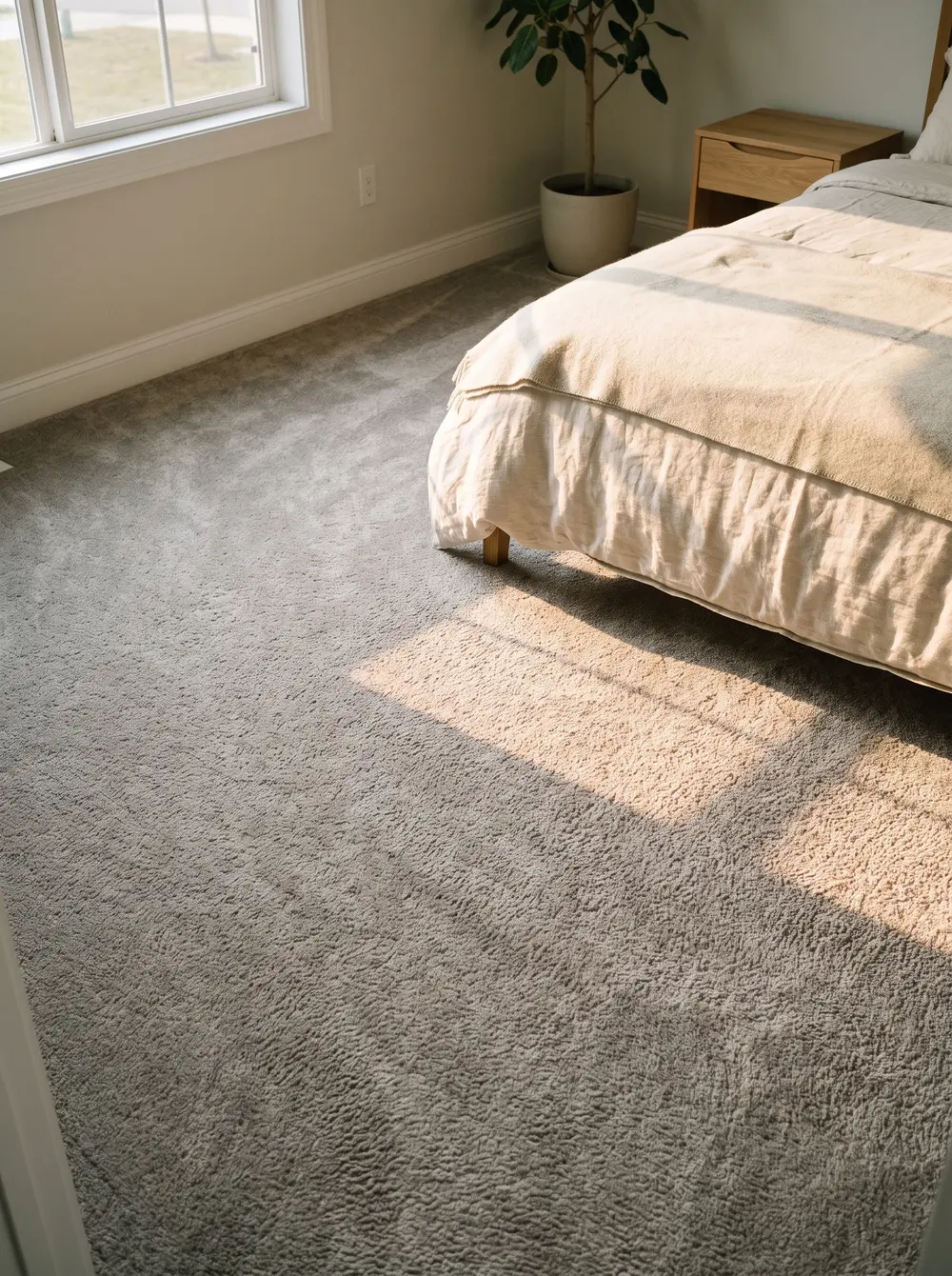
Bedrooms. Comfort comes first and traffic is light. Plush, saxony or textured cut pile in polyester or triexta suits most bedrooms. A good pad makes a bigger difference to comfort than a taller pile.
Living and family rooms. These rooms see daily traffic, kids and pets. Textured saxony, frieze or cut-and-loop in nylon or triexta holds up well and hides footprints.
Stairs and halls. These take the hardest wear of any carpeted area. A dense, low to medium cut pile in nylon is the usual choice. See our guide to the best carpet for stairs.
Basements. Choose synthetic fibres, which cope with basement conditions better than wool. Solution-dyed nylon, polyester or olefin are common. Carpet tile is worth considering, because wet tiles can be lifted and replaced. Our basement carpet guide covers the slab checks first.
Home offices. A low, dense loop or cut pile lets a chair roll more easily. A chair mat protects it either way.
Homes with pets. Choose a dense cut pile in a stain-resistant synthetic, and avoid large loops. Our guide to the best flooring for dogs compares carpet with hard floors.
Wall-to-wall carpet vs carpet tile
Every construction above is available as wall-to-wall carpet, also called broadloom, which comes off a roll and is stretched over a pad. Many are also made as carpet tile, squares or planks laid one by one. Broadloom is softer and has few seams. Carpet tile is firmer, handles heavy traffic and lets you replace damaged sections. Our guide to carpet tile vs broadloom compares them side by side, and our commercial flooring guide covers carpet tile in offices.
Choosing and buying carpet
Bring samples home and look at them on the floor of the room, in daylight and at night. Carpet colour changes a lot with light. Walk on the sample and bend it, as described above. Ask for the spec sheet, which lists the fibre, construction and warranties.
Read the warranties carefully. Carpet warranties often cover different things, such as stain resistance, wear and texture retention, each with its own conditions. Many depend on the right underpad and on regular professional cleaning. Our carpet care guide covers the cleaning side.
Order all the carpet for a space from one production lot, so the colour matches, and keep the leftover pieces for repairs. Carpet is measured on site before ordering, because the roll width decides the seams and the waste. Our guide to carpet installation cost in Ottawa explains how that affects the price, and our flooring cost guide compares carpet with other floors. In a condo, check the building's rules on underpad before ordering; see condo flooring rules. When the date is set, our checklist for preparing for flooring installation covers clearing the rooms.
Agora installs broadloom and carpet tile in homes and commercial spaces. See our carpet installation page.
Frequently asked questions
What is berber carpet?
Berber is a loop pile carpet, usually with a thick, chunky loop and often a flecked colour. It is durable and hides footprints, but loops can snag. It is often made of olefin or nylon.
Is berber carpet good for pets?
It is not ideal. Claws can catch in the loops and pull them, and a pulled loop can run in some carpets. A dense cut pile in a stain-resistant synthetic fibre is usually better with cats and dogs.
Which is better, nylon or polyester carpet?
Nylon is more resilient, so it is better for stairs, halls and busy rooms. Polyester is soft and good value, and works well in bedrooms and other low-traffic rooms.
What type of carpet lasts the longest?
A dense carpet with tightly twisted yarn in a resilient fibre, such as a nylon frieze or a dense nylon loop, usually lasts longest in traffic. Wool is also very durable. The right pad and regular cleaning matter as much as the carpet.
What is the softest type of carpet?
Plush and saxony cut piles in polyester or triexta are among the softest. Softness alone doesn't predict wear, so keep the softest carpets for bedrooms and other low-traffic rooms.
What is frieze carpet?
Frieze is a cut pile carpet with very tightly twisted yarn that curls at the tips. It looks casual, hides footprints and soil, and holds up well in busy rooms.
What carpet is best for bedrooms?
A soft cut pile, such as plush, saxony or textured saxony, in polyester or triexta suits most bedrooms. Put a good-density pad under it for comfort.