
Short answer
Choose luxury vinyl plank (LVP) anywhere water is likely: kitchens, bathrooms, laundry rooms, mudrooms and basements. Laminate can be a good, often scratch-resistant choice for dry rooms like bedrooms and living rooms, but its wood-fibre core can swell if water gets into the joints.
Walk into any flooring showroom and the two products that look most alike are luxury vinyl plank and laminate. Both come in realistic wood looks, both usually click together as a floating floor, and both cost less than hardwood. The difference is what they are made of, and that decides where each one belongs in your home.
How they are built
Laminate is a sandwich: a clear, very hard wear layer on top, a printed photographic layer that gives it the wood look, a core of high-density fibreboard (HDF, which is compressed wood fibre), and a backing layer. The core is what makes laminate stiff and solid underfoot. It is also its weak point, because wood fibre absorbs water.
Luxury vinyl plank also has a wear layer and a printed design layer, but its core is vinyl or a vinyl composite. The two main types are:
- SPC (stone-plastic composite, or "rigid core"): a dense core of limestone powder and PVC. Very stable and dent-resistant, a little harder underfoot.
- WPC (wood-plastic composite): a foamed core that is lighter and a bit softer and warmer to walk on.
- Glue-down LVP: thinner, flexible planks glued directly to the subfloor, common in commercial spaces.
Water: the biggest difference
Water on the surface of either floor will usually wipe up without harm. The problem is water that sits in the joints. On laminate, it can wick into the HDF core and make the edges swell and peak, and that damage does not go away when it dries. Some newer laminates have water-resistant cores and sealed edges that hold up much better than older products, but they are still wood-based.
An LVP core does not absorb water, so a spill, a leaking dishwasher or wet boots at the door will not ruin the planks. That is why many LVP products are sold as "waterproof". Keep in mind that the floor being waterproof is not the same as the room being waterproof: in a real flood, water still gets underneath at the seams and edges, and the subfloor has to dry out.
Scratches, dents and wear
Laminate's top layer is usually very hard and resists scratches well, which is one reason it is popular with dog owners in dry areas of the home. Laminate durability is rated with an AC rating: AC3 is typical for busy residential rooms, AC4 and up for heavier use.
LVP durability depends mostly on the wear layer, measured in mils (thousandths of an inch). Thicker is tougher: around 12 mil is a common residential choice, and 20 mil or more is typical for high-traffic and light commercial use. Rigid-core LVP resists dents from furniture better than softer, flexible vinyl.
Comfort and sound
Both are floating floors, so both can sound a bit hollow compared with a glued or nailed floor. A good underlay helps a lot, and in condos it is usually required (see our guide to flooring in condos). LVP tends to feel slightly softer and quieter, especially WPC. Laminate feels firmer and more like real wood underfoot.
Looks
Good versions of both are convincing. Laminate often has a slightly crisper wood texture; better LVP products have deep embossing that follows the printed grain. Look for longer, wider planks with many different plank patterns so the floor does not repeat obviously.
Where each one works best
| Room | Luxury vinyl plank | Laminate |
|---|---|---|
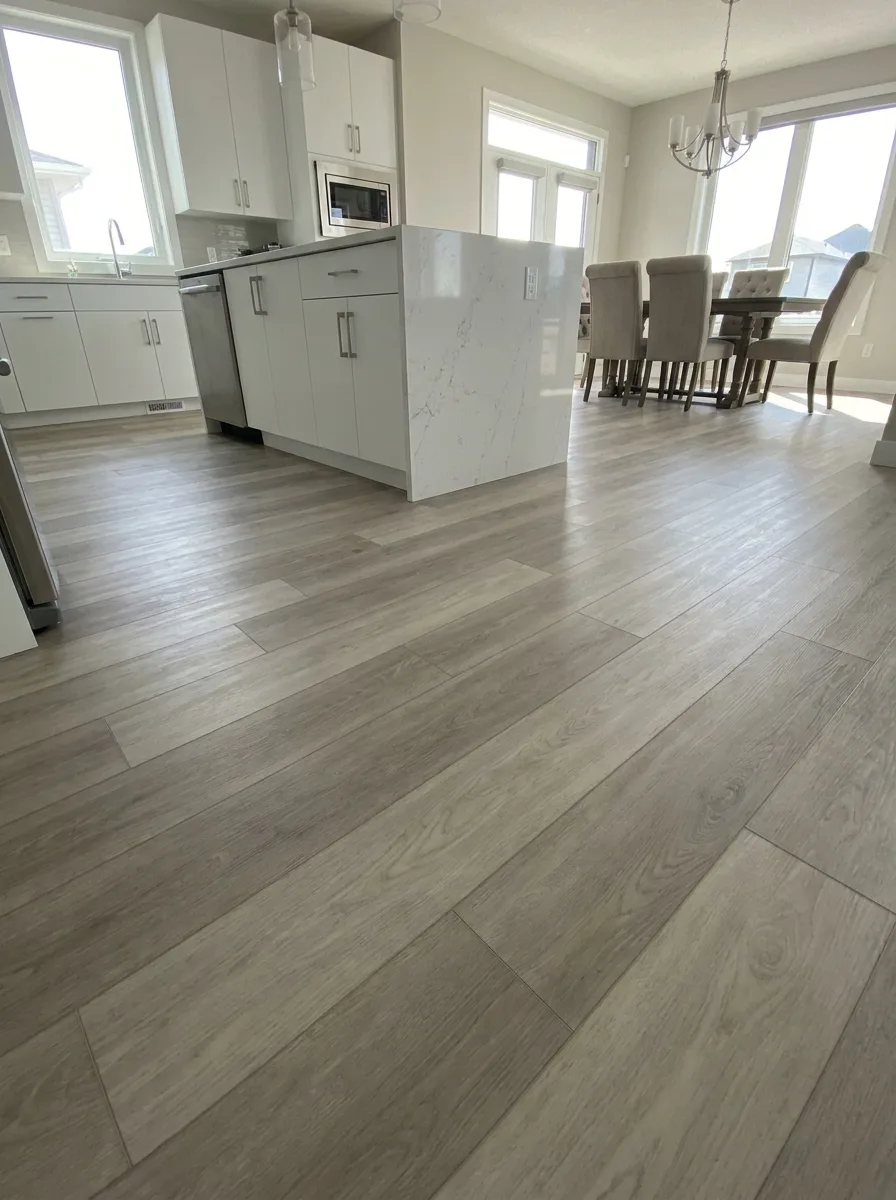
| Kitchen | Excellent | Only water-resistant products, with care |
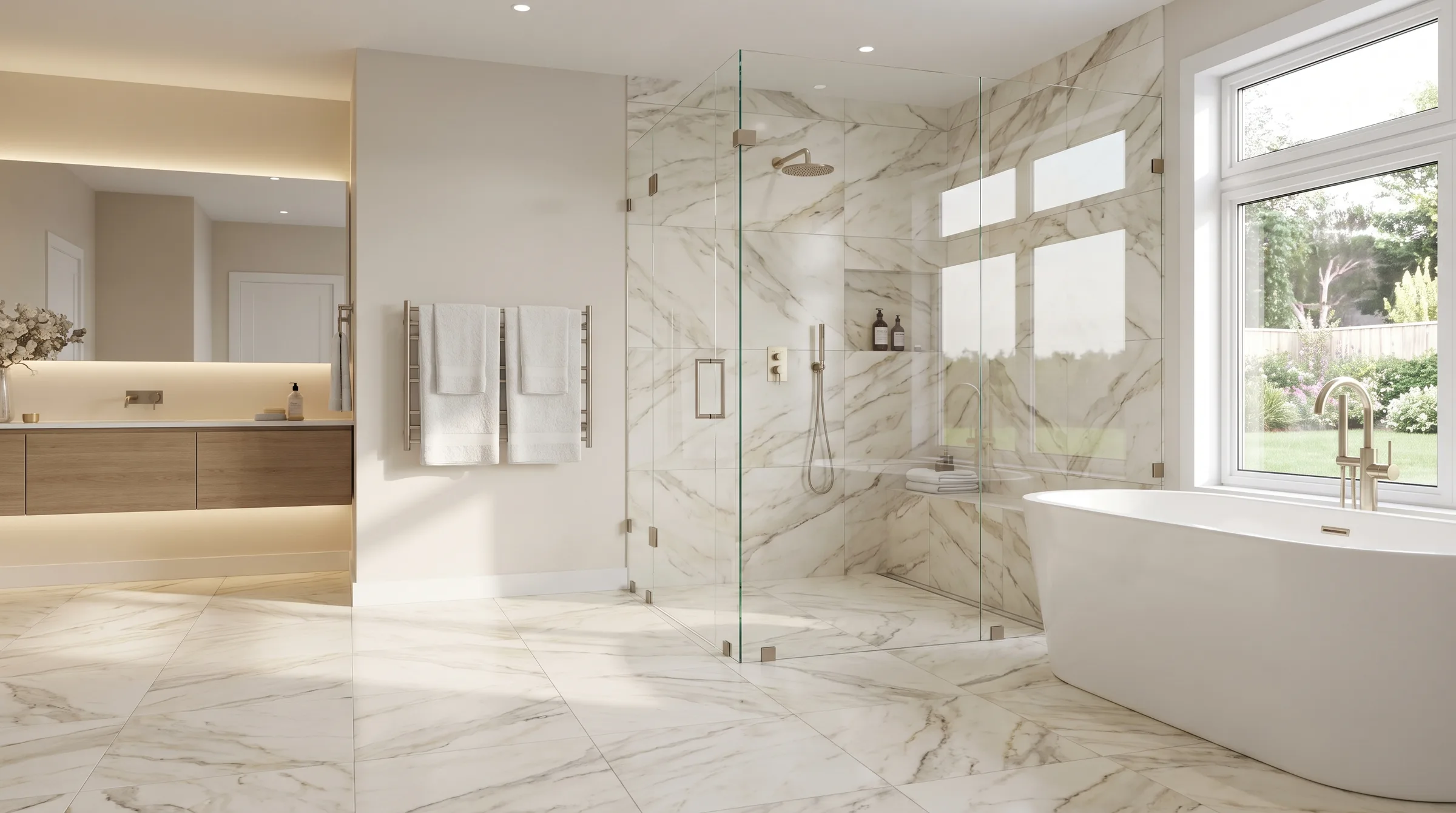
| Bathroom, laundry | Excellent | Not recommended |
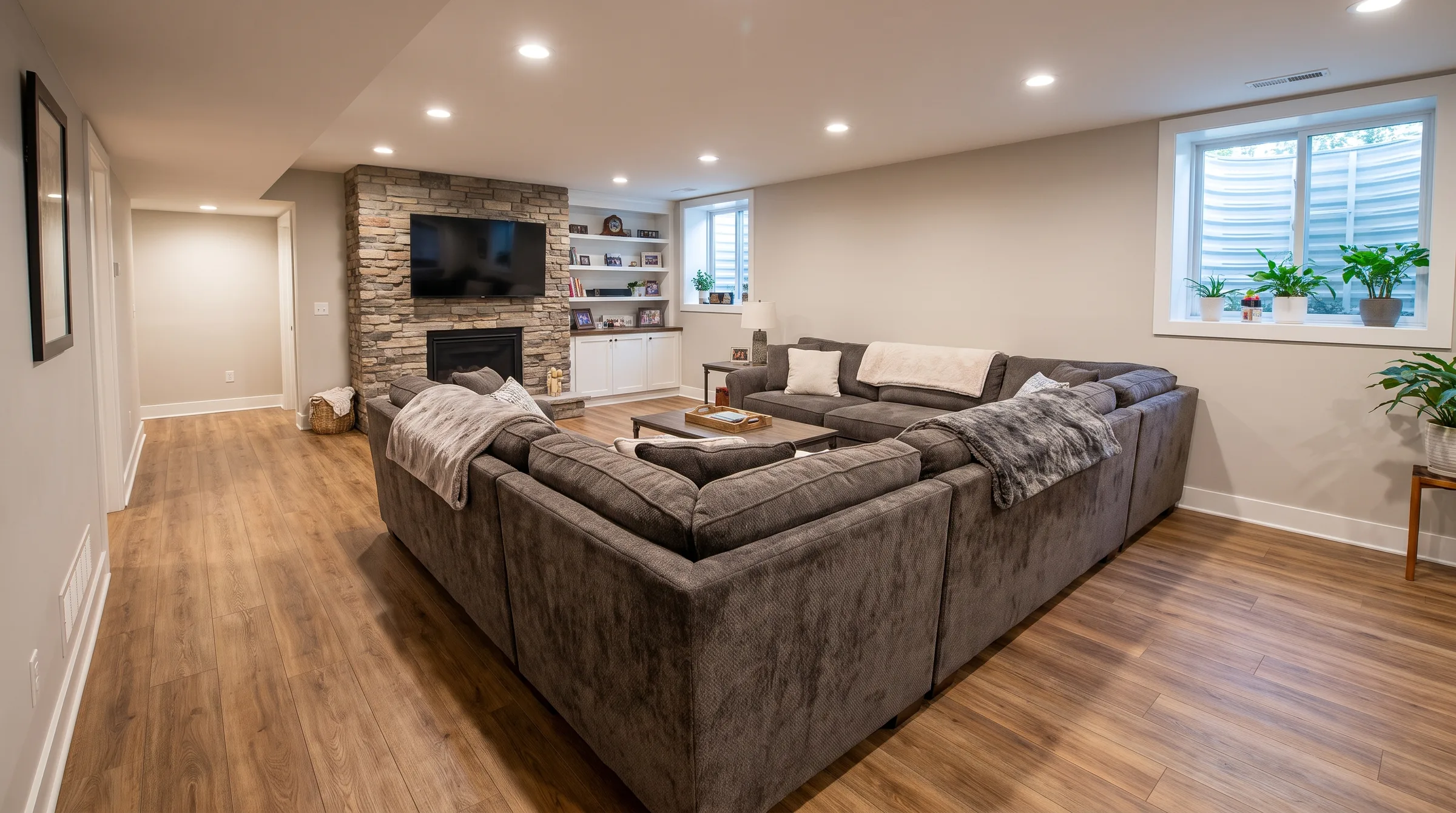
| Basement | Excellent over a dry, flat slab | Risky: moisture from concrete |
| Mudroom, entry | Excellent | Not ideal (wet boots, salt) |
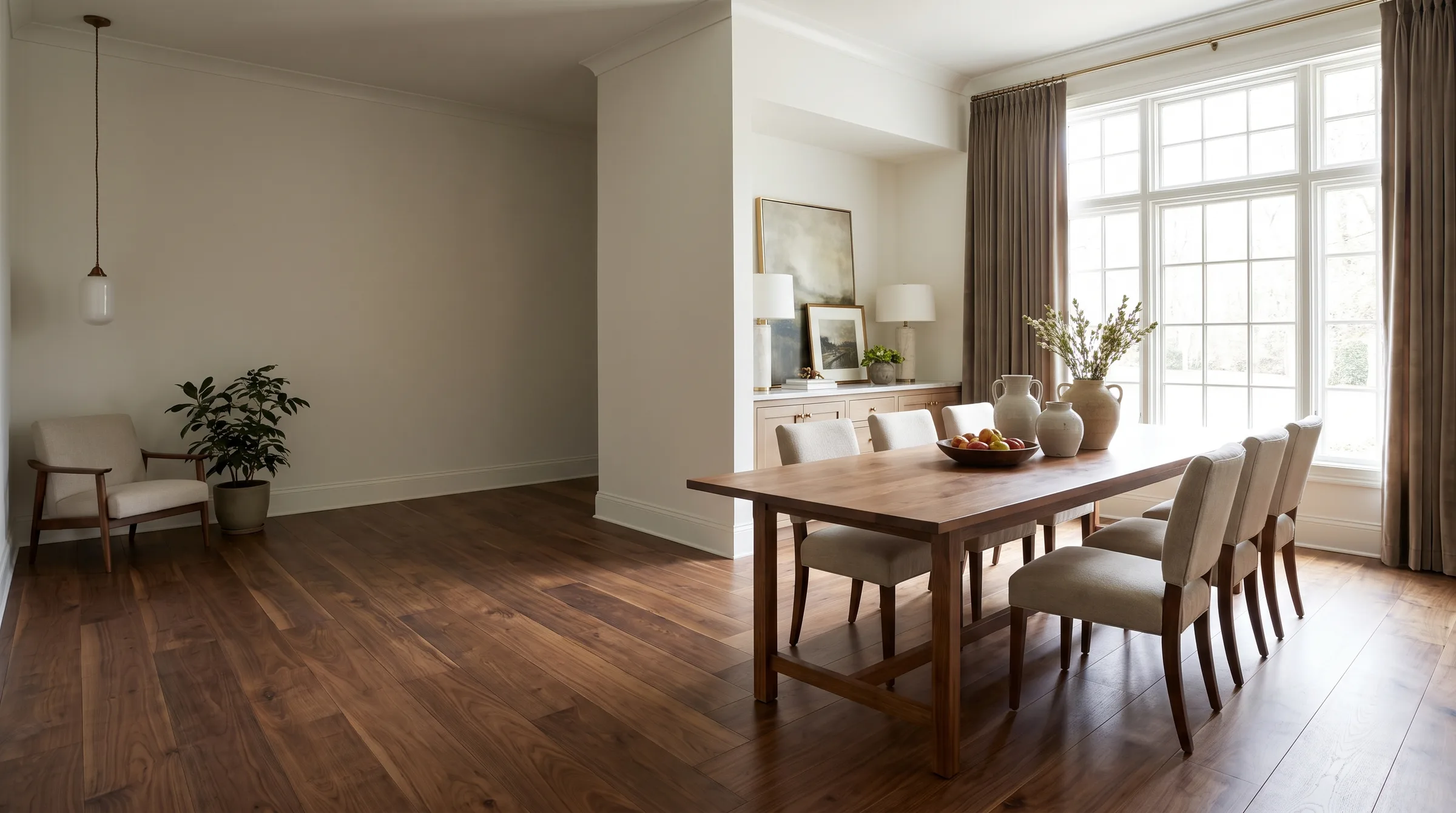
| Living room, bedrooms | Very good | Very good |
| Rental units | Very good: water-tolerant, planks replaceable | Good in dry rooms |
What affects the price
The two are often close in price, and both range from budget to premium. Beyond the product itself, the installed cost depends on the area, the underlay, how much the subfloor needs levelling, removing the old floor, and the number of doorways, transitions and stairs. Subfloor flatness matters more than most people expect: floating floors need a flat base, and LVP in particular will telegraph dips and bumps.
The bottom line
If there is any chance the floor will see water, choose LVP. If the room is dry and you want the firmest, most scratch-resistant wood look for the money, laminate is worth a look. Whichever you choose, the installation underneath (a flat subfloor, the right underlay, expansion space at the walls) decides how well it lasts.