
Short answer
The planks are waterproof: spills, mopping and wet boots won't swell or damage them the way they would laminate or wood. The floor is not a sealed surface, though. Water can run through the seams and around the edges and get trapped underneath. Wipe up spills, seal the edges in bathrooms as the maker specifies, and after a flood the planks usually have to come up so the subfloor can dry.
What "waterproof" really means
A vinyl plank's core and surface don't absorb water, so standing water won't make it swell, warp or delaminate. That's the big advantage over laminate, which is only water-resistant (see LVP vs laminate). But a floating floor has joints and an expansion gap at every wall. A leaking dishwasher, an overflowing toilet or a flooded basement puts water under the floor, where it can't evaporate and the subfloor can grow mould.
Types of vinyl flooring
| Type | What it is | Good for |
|---|---|---|
| SPC (stone-plastic composite) | Rigid, dense core of limestone and PVC; click-together | Most homes and basements; resists dents; bridges small dips |
| WPC (wood-plastic composite) | Thicker, foamed core; click-together | Softer, warmer and quieter underfoot; dents more easily |
| LVT / dryback (glue-down) | Thin, flexible planks or tiles glued down | Commercial, large areas, sunrooms |
| Sheet vinyl | Rolls with few or no seams | Laundry rooms, budget bathrooms |
Wear layer: the number that matters for durability
The clear wear layer on top protects the printed design. It's measured in mils: around 12 mil is typical residential, and 20 mil or more is better for busy homes, pets and light commercial. Plank thickness on its own says less about durability than the wear layer does.
Vinyl in bathrooms
- Planks are fine around the toilet and vanity.
- Many makers call for silicone at the tub, shower and toilet base, and in some cases around the perimeter, to keep water from running under the floor.
- It's not a shower floor. Showers need tile and real waterproofing (see how showers are waterproofed).
Vinyl in basements
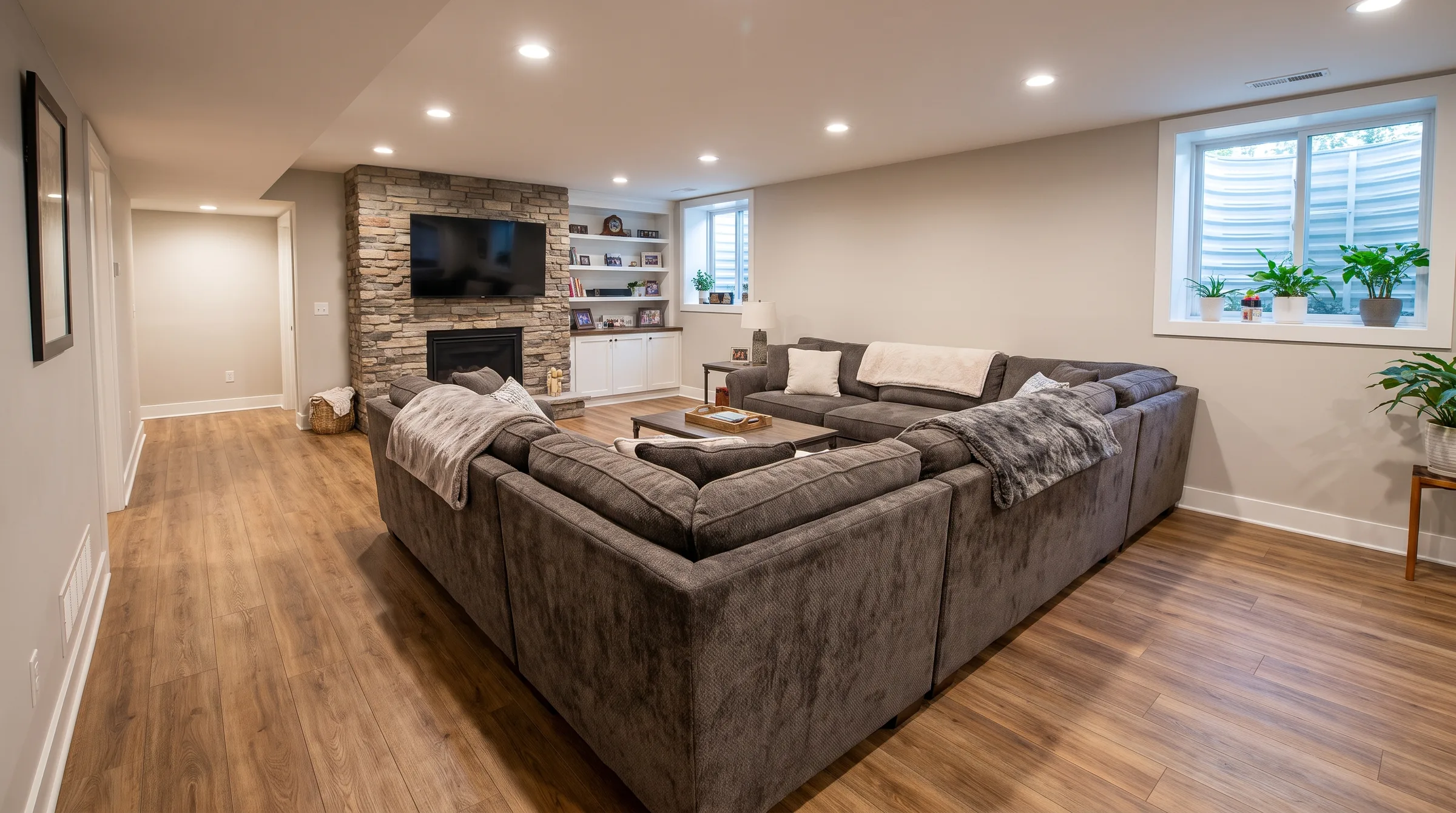
Vinyl is a top choice for Ottawa basements because concrete can be damp and cold. Test the slab for moisture, use the vapour barrier or underlayment the product requires, and make sure any water issues are fixed first. Waterproof planks don't fix a wet basement. See best basement flooring.
Is LVP scratch resistant? Is it toxic?
A good wear layer resists everyday scratches, but grit, chair legs and dragging furniture will still mark it. Use felt pads and door mats (see vinyl plank care). On emissions, look for products with indoor air quality certification such as FloorScore, which tests for VOCs.