
Short answer
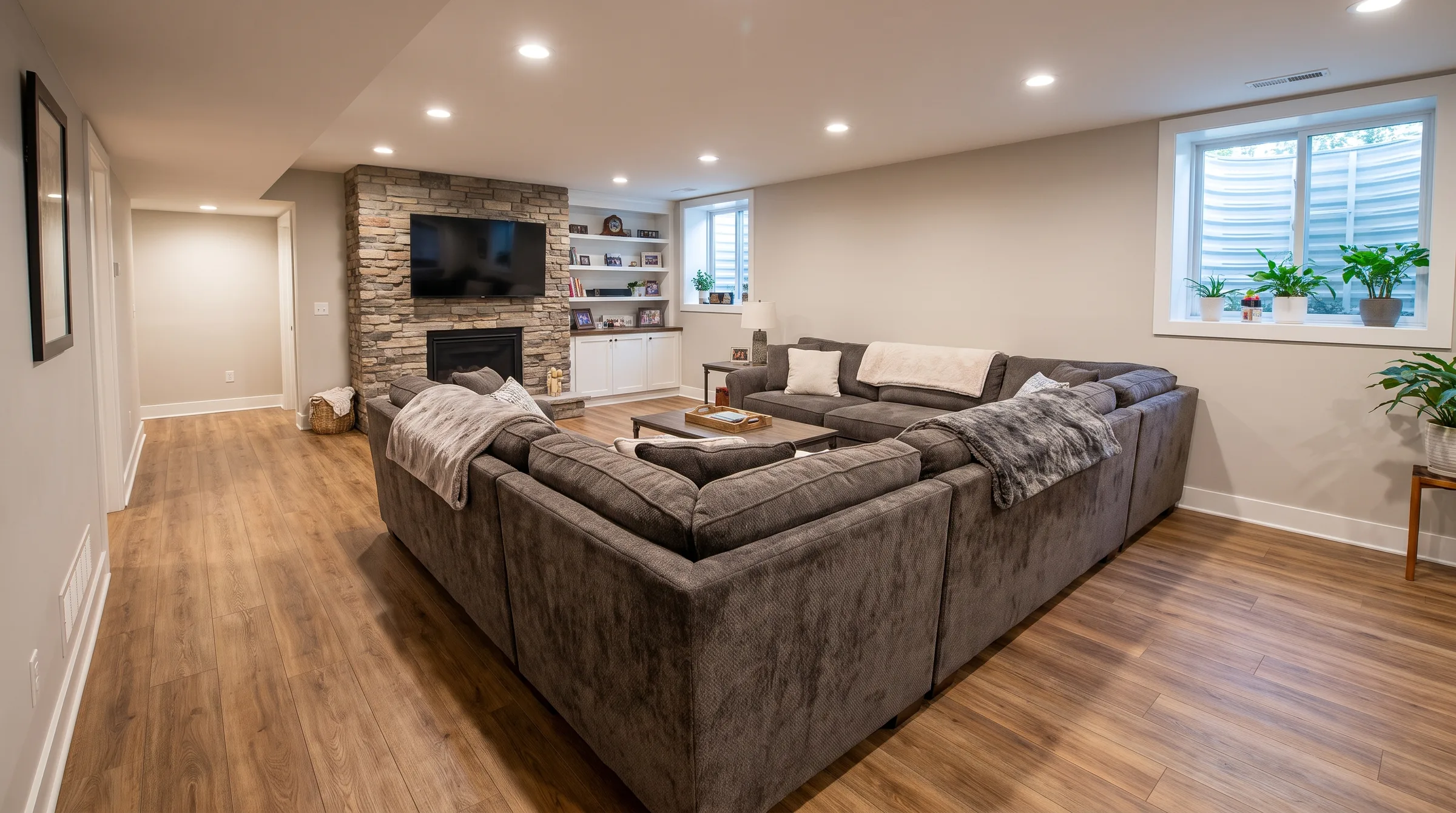
For most Ottawa basements, luxury vinyl plank (LVP) is the best all-round choice: it tolerates moisture, looks like wood and can go over a flat, dry slab. Porcelain tile is the most water-proof option but feels cold without in-floor heat. Carpet works for bedrooms and TV rooms. Avoid solid hardwood below grade.
A basement floor has a harder job than any floor upstairs. It sits on a concrete slab that is in contact with the ground, the slab can release moisture, and it stays cooler than the rest of the house. The floor you choose has to cope with all three.
Step one: check the slab
Before picking a floor, deal with the concrete underneath.
- Water: any history of leaks, seepage at the walls or puddles after heavy rain has to be fixed first. No flooring fixes a wet basement.
- Moisture vapour: even a dry-looking slab can release moisture. A simple check is to tape a square of clear plastic sheet tightly to the floor for a day or two: condensation underneath, or darkened concrete, means moisture is coming through. Installers can also test with a meter. Many flooring products specify how much moisture the slab may release.
- Flatness: basement slabs often have dips, humps and cracks. Floating floors need a flat base, so low spots are filled with levelling compound and high spots ground down.
The options, compared
Luxury vinyl plank: the usual best choice
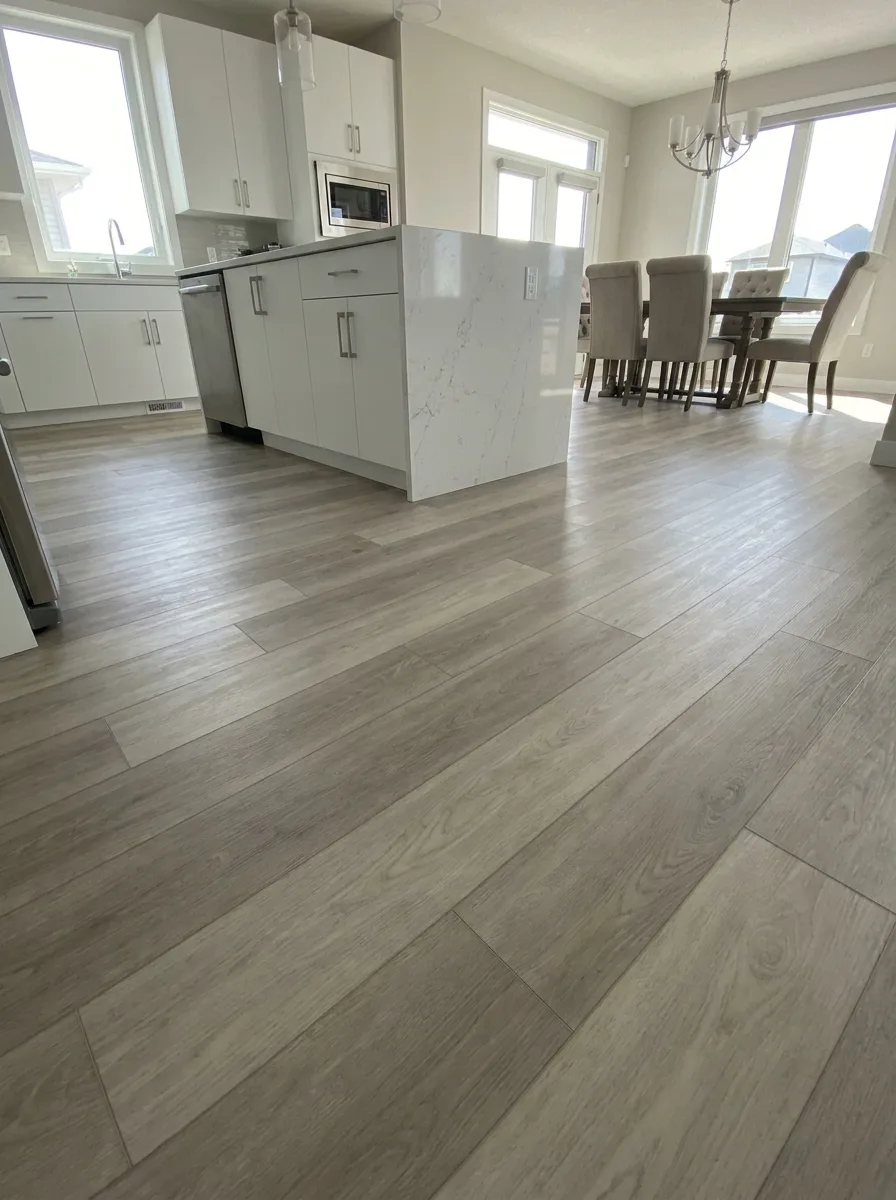
LVP's vinyl or rigid composite core does not absorb water, so moisture from the slab or a minor leak will not make it swell. It looks like wood, is warmer and softer underfoot than tile, and floats over an underlay, which adds a little insulation and comfort. Choose a product that is approved for below-grade installation and use the underlay the manufacturer specifies. Our guide to LVP vs laminate explains the difference between rigid core (SPC) and softer WPC planks.
Porcelain tile: the most water-proof
Porcelain tile shrugs off water completely and lasts for decades, which makes it a great choice for basement bathrooms, laundry rooms and walkouts. The downsides are that it feels cold on a slab and it is harder underfoot. In-floor heating under tile solves the first problem. Tile also needs a sound base; an uncoupling membrane such as Schluter-DITRA helps protect it from cracks in the concrete.
Engineered hardwood: only if it is rated for it
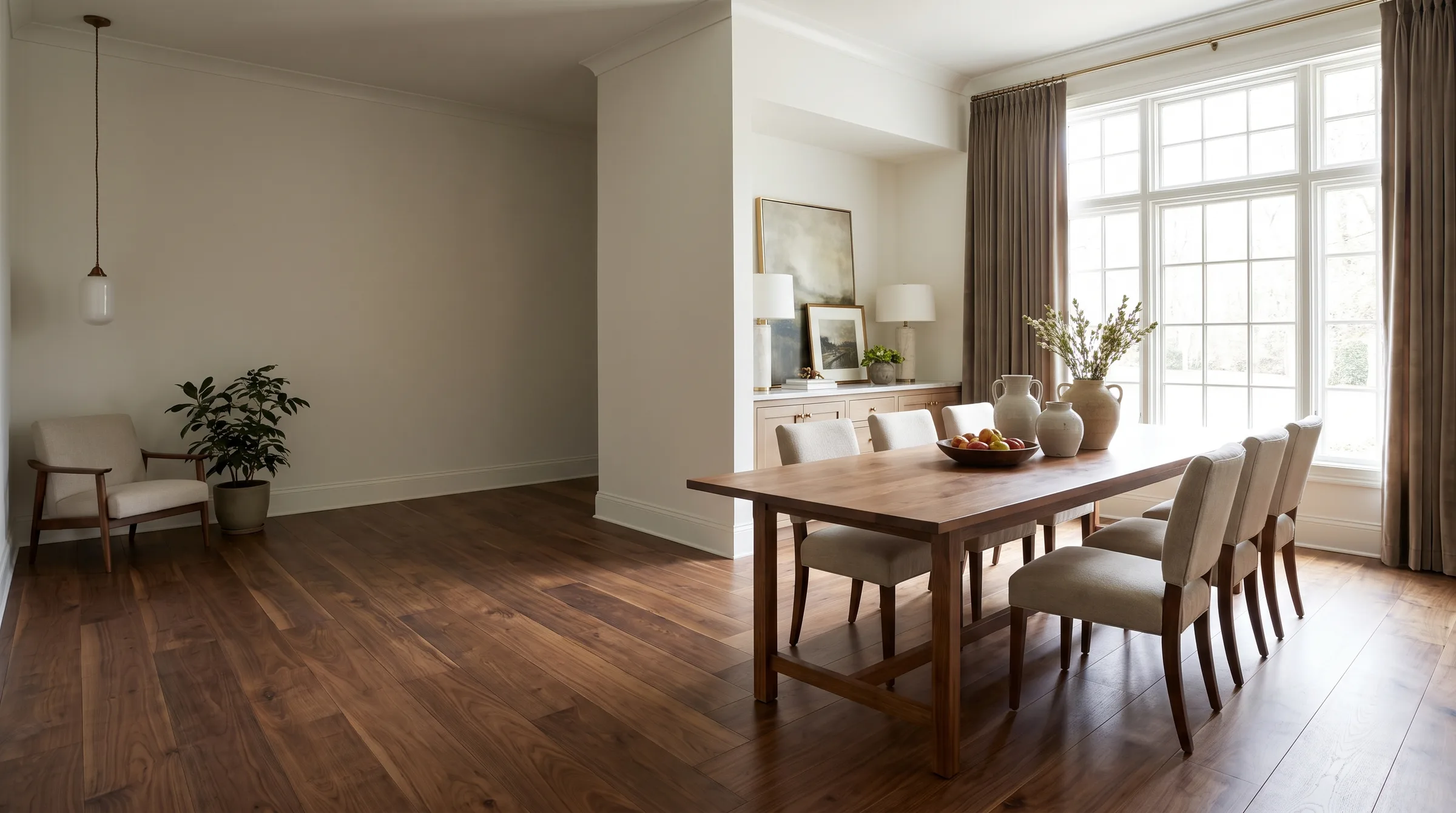
Some engineered hardwood is approved for below-grade use, usually floated or glued with a moisture barrier. It gives a real-wood look, but it is less forgiving of moisture than LVP. See engineered vs solid hardwood.
Carpet and carpet tile: warm and quiet
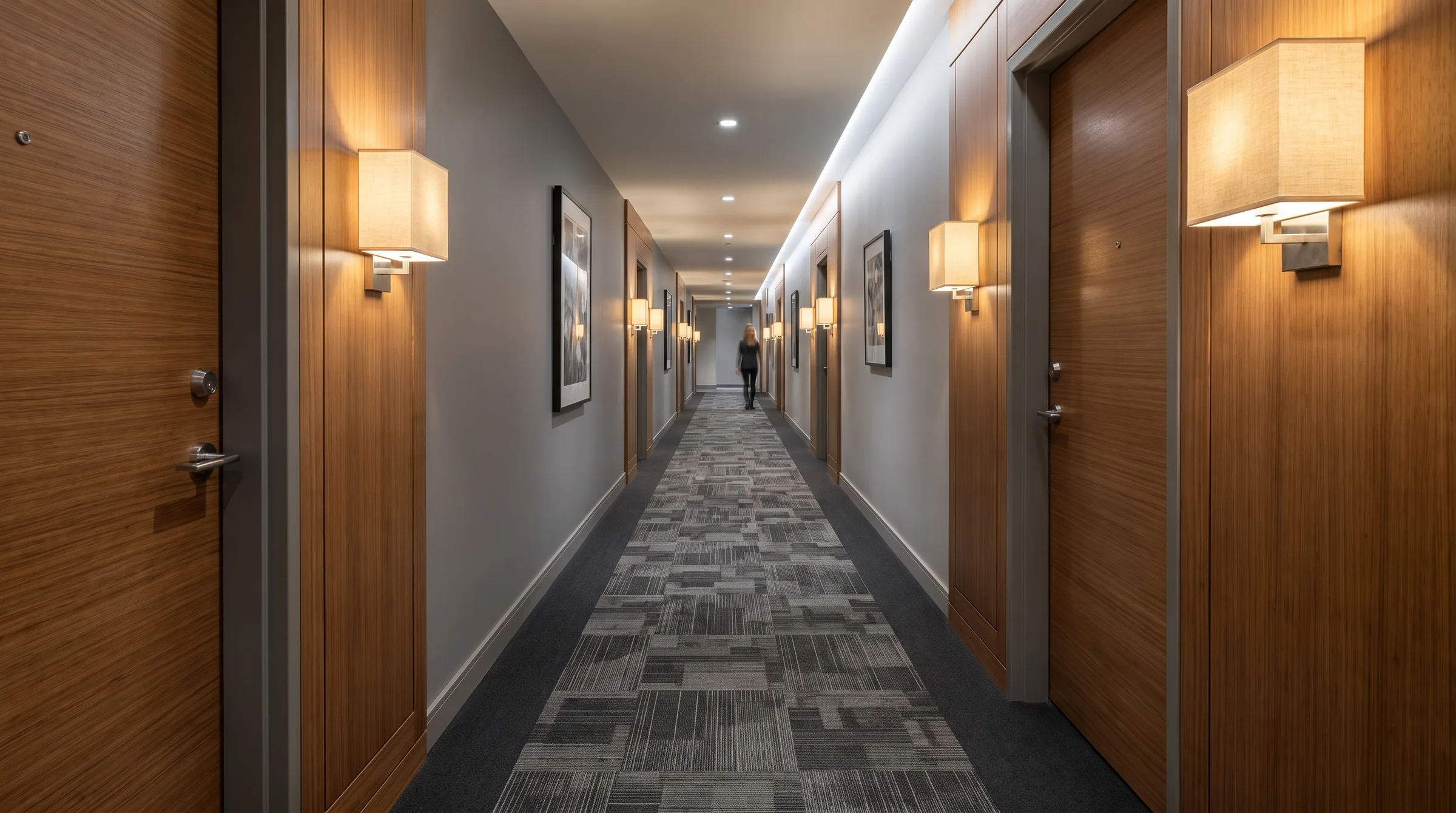
Carpet makes basement bedrooms and TV rooms warm and quiet. Synthetic fibres such as nylon and polyester cope with basement conditions better than wool. Carpet tile is worth considering: if one area ever gets wet, you can lift and replace just those tiles. More in carpet tile vs broadloom.
What to avoid
- Solid hardwood: not suitable below grade; it absorbs moisture from the slab and can cup or buckle.
- Standard laminate: its wood-fibre core can swell if moisture gets in. Some water-resistant laminates are rated for basements, but LVP is the safer choice.
Quick comparison
| Floor | Moisture | Warmth & comfort | Best for |
|---|---|---|---|
| Luxury vinyl plank | Very good | Good | Family rooms, whole basements |
| Porcelain tile | Excellent | Cold without heat | Bathrooms, laundry, walkouts |
| Engineered hardwood (rated) | Fair | Good | Dry, finished basements |
| Carpet / carpet tile | Fair (tile is easier to replace) | Excellent | Bedrooms, TV rooms |
| Solid hardwood | Poor | Good | Not recommended below grade |
Other things to plan for
- Subfloor panels: raised subfloor panels with a dimpled or insulated underside can add warmth and a small air gap over the concrete. They raise the floor height, so check doors and stairs.
- Stairs: decide how the basement floor will meet the bottom stair and any transitions to other rooms.
- Sump pits and floor drains: they need to stay accessible.
Get the slab right, choose a floor that tolerates moisture, and a basement can be one of the most comfortable rooms in the house.