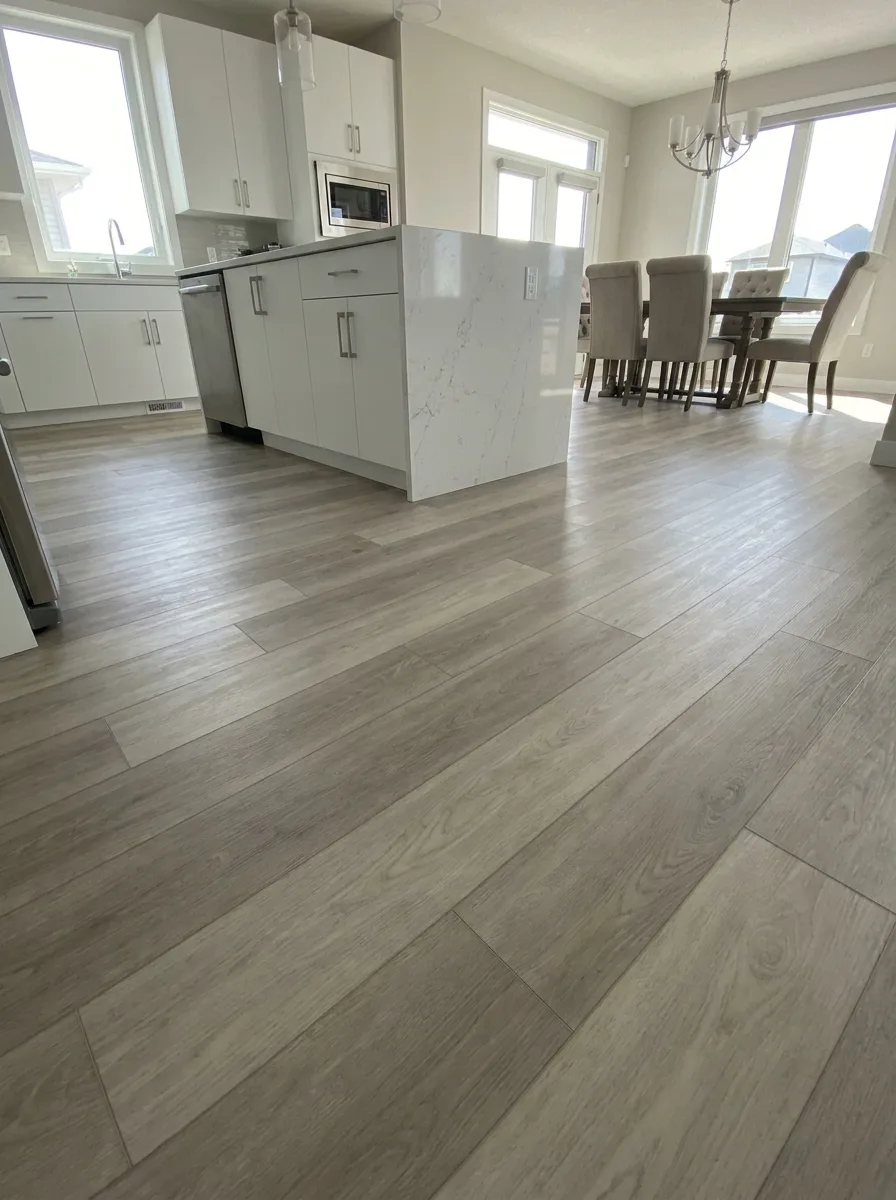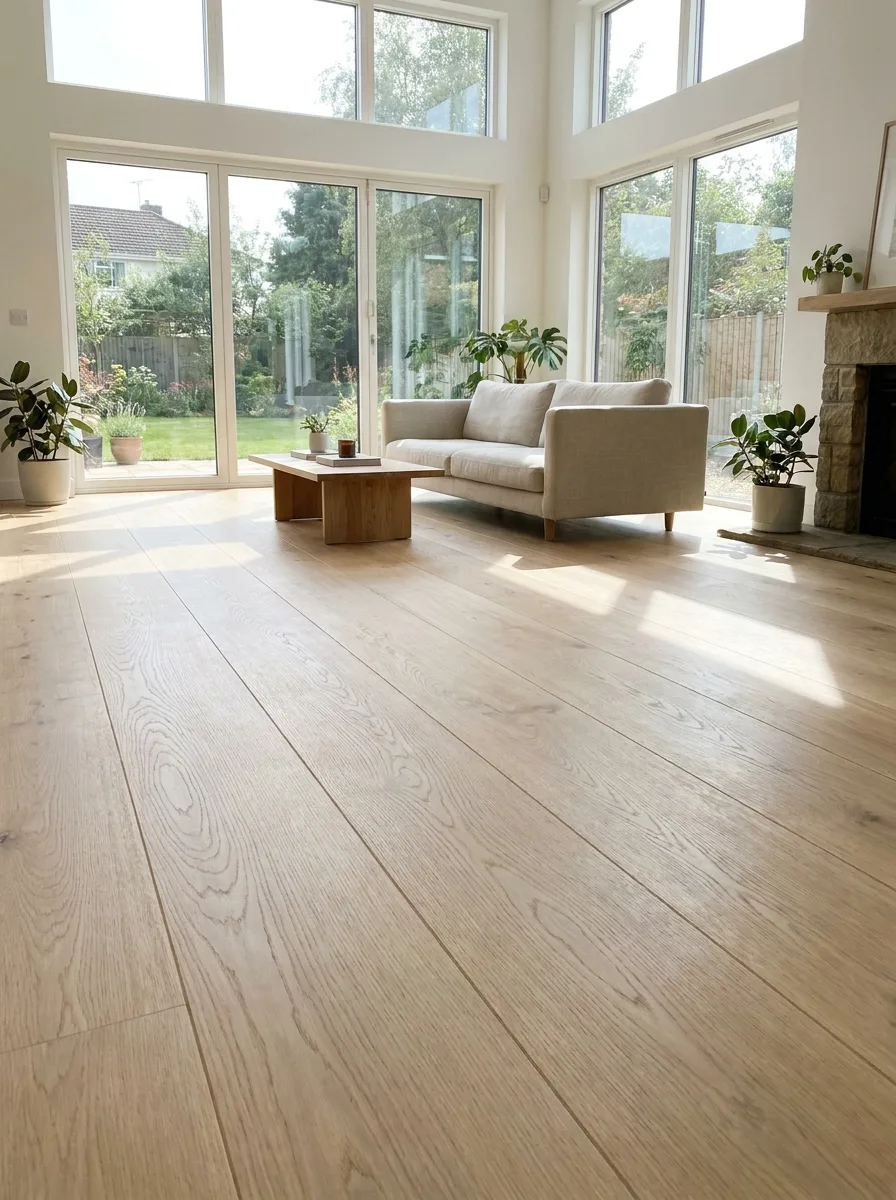

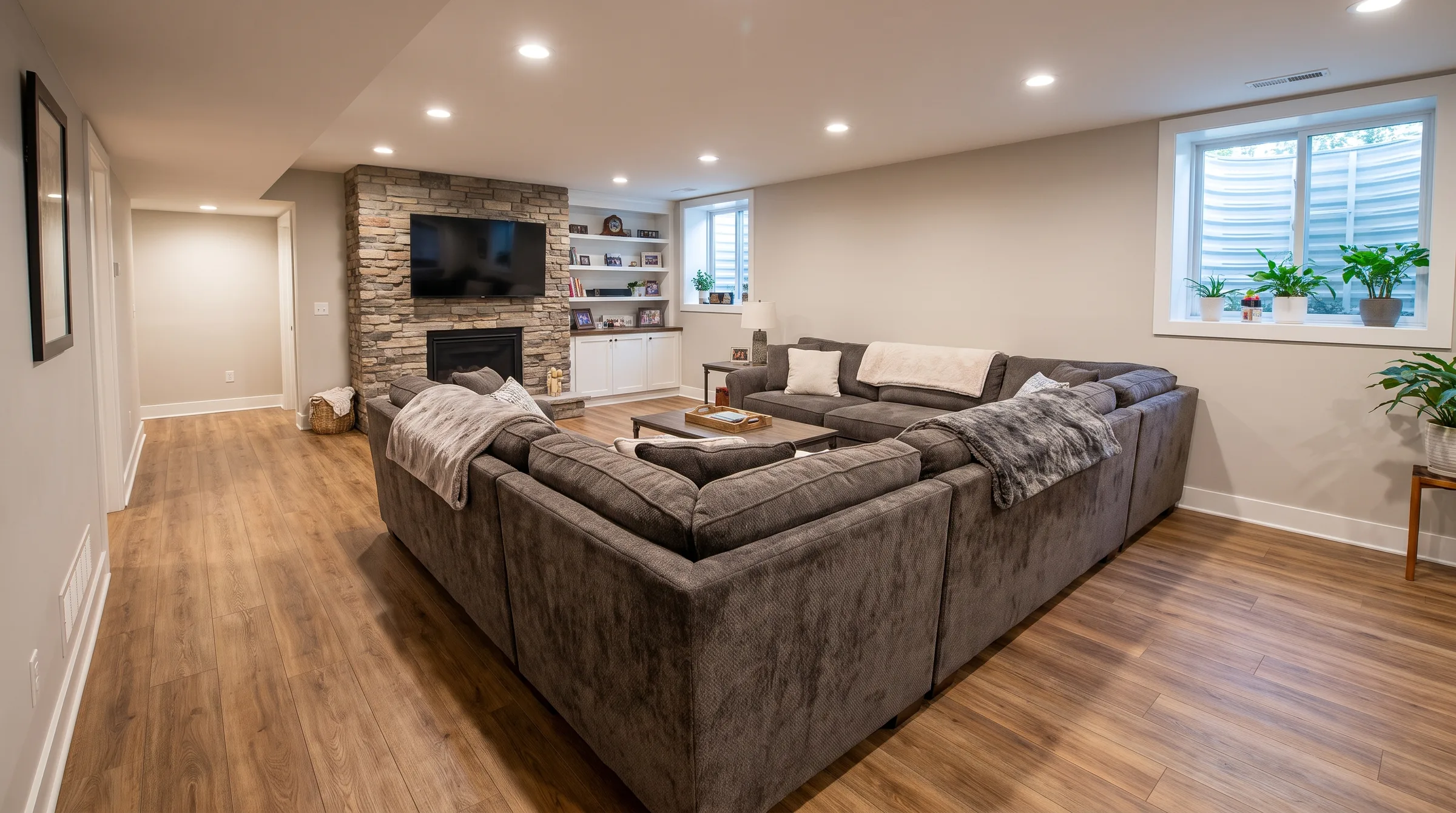
Short answer
Laminate always needs an underlay, often with a built-in vapour barrier over concrete. Vinyl plank often comes with a pad already attached, and in that case adding another pad is usually not allowed: it makes the floor too soft and the click joints can break. Over concrete, use the moisture barrier the product calls for. In condos, the building's sound rules decide what goes underneath.
What underlayment does
- Cushions and smooths very minor subfloor texture (not dips; those get levelled).
- Blocks moisture from concrete slabs with a vapour barrier.
- Reduces noise: footstep sound in the room and impact noise to the unit below.
- Adds a little warmth underfoot.
Laminate
Laminate has a fibreboard core that must be protected from moisture, and it sounds hollow without underlay. Use a foam, combination or acoustic underlay that the laminate maker approves. Over concrete, a 6-mil polyethylene vapour barrier is common (sometimes built into the underlay). Some laminates have underlay attached; then follow the maker on whether a separate vapour barrier is still needed.
Vinyl plank
- Pad attached: usually install directly over the prepared subfloor, adding only a vapour barrier over concrete if the maker calls for it. Adding a second cushion pad is the most common way click joints get damaged, and it usually voids the warranty.
- No pad attached: use only an underlay the maker approves, typically thin and dense. Thick, soft foam made for laminate is wrong under rigid vinyl.
- Glue-down vinyl: no underlay; it's bonded to a smooth, prepared floor (see click vs glue-down).
Underlay types
| Type | Good for |
|---|---|
| Basic foam | Laminate on wood subfloors |
| Foam with vapour barrier (2-in-1) | Laminate on concrete and in basements |
| Dense acoustic (rubber, cork, felt) | Condos and upper floors where sound matters |
| Thin, high-density pads | Vinyl plank without an attached pad, where approved |
| 6-mil poly sheet | Vapour barrier on concrete, under products that need one |
Condos: sound rules first
Many Ottawa condo buildings require flooring and underlay to meet a set sound rating, and some approve specific products only. Get the building's requirements before choosing the floor (see condo flooring rules).
Basements
Concrete slabs carry moisture. Test them, use the vapour protection the flooring needs, and fix any water issues first. Vinyl is usually a better basement choice than laminate (see best basement flooring).
What underlay can't fix
Underlay isn't a levelling product. Dips and humps beyond the flooring's flatness tolerance have to be patched or levelled first, or the click joints will flex and fail (see self-leveling compound).