
Short answer
In Ottawa, a heated floor is usually worth it in bathrooms, ensuites, basements on concrete, and entries or mudrooms with tile. Those are the places where a cold, hard floor is most noticeable. Electric systems (cable or mats under tile) suit single rooms and renovations. Hydronic (hot-water tubing) suits whole homes and new builds. A small electric bathroom floor typically costs a few dollars a month to run on a schedule.
Electric vs hydronic
| Electric (cable or mat) | Hydronic (hot water) | |
|---|---|---|
| Best for | Bathrooms, kitchens, single rooms, renovations | Whole floors, basements in new builds, garages |
| Floor height added | Small (a few millimetres plus mortar) | Tubing in a slab or a thicker underlayment |
| Equipment | Cable, sensor, thermostat, circuit | Boiler or water heater, pumps, manifold, tubing |
| Install cost | Lower for one room | Higher up front, lower per square foot over large areas |
| Running cost | Electricity rate; fine for small areas | Usually cheaper per square foot for large areas |
| Response | Fairly quick under tile | Slower, steady heat |
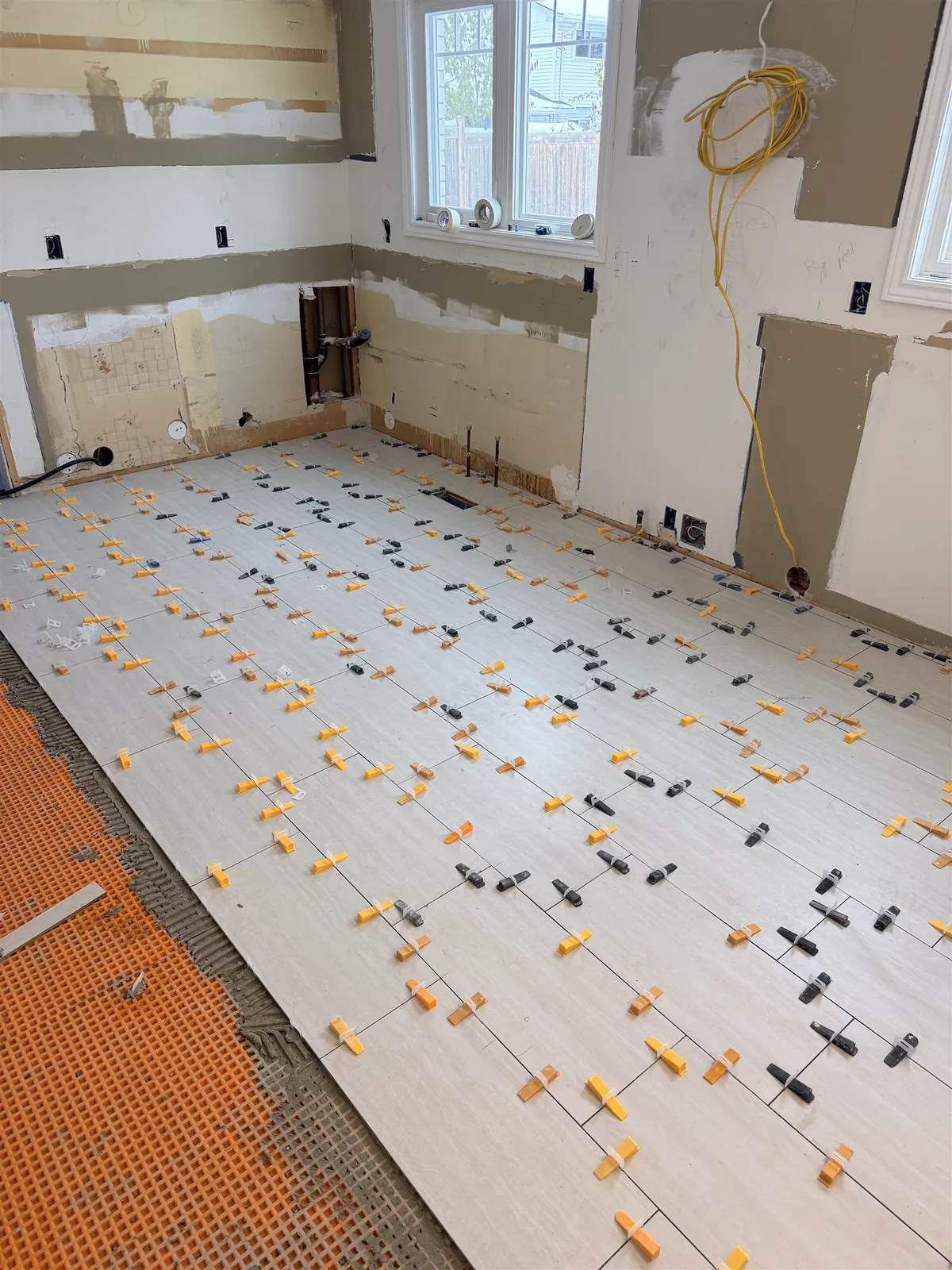
For most renovations we see, the choice is electric, usually with a system like Schluter DITRA-HEAT, which also uncouples and waterproofs the floor.
What does a heated bathroom floor cost to run?
Electric floor heating systems typically draw around 12 watts per square foot of heated area (check your system's rating). A worked example:
- Heated area: 40 sq ft (the open floor of a typical bathroom, not under the vanity or tub).
- Power: 40 × 12 W = about 480 W while the heat is on.
- At an all-in electricity cost of about 15¢ per kWh, that's roughly 7¢ per hour of heating.
- The thermostat cycles once the floor is warm. If the heat actually runs about 3 hours a day, that's around 20¢ a day, or $6–7 a month.
Your numbers will depend on your rate plan, the heated area, the floor build-up and the schedule. A programmable thermostat that warms the floor for mornings and evenings costs far less than leaving it on all day.
Rooms where it's worth it
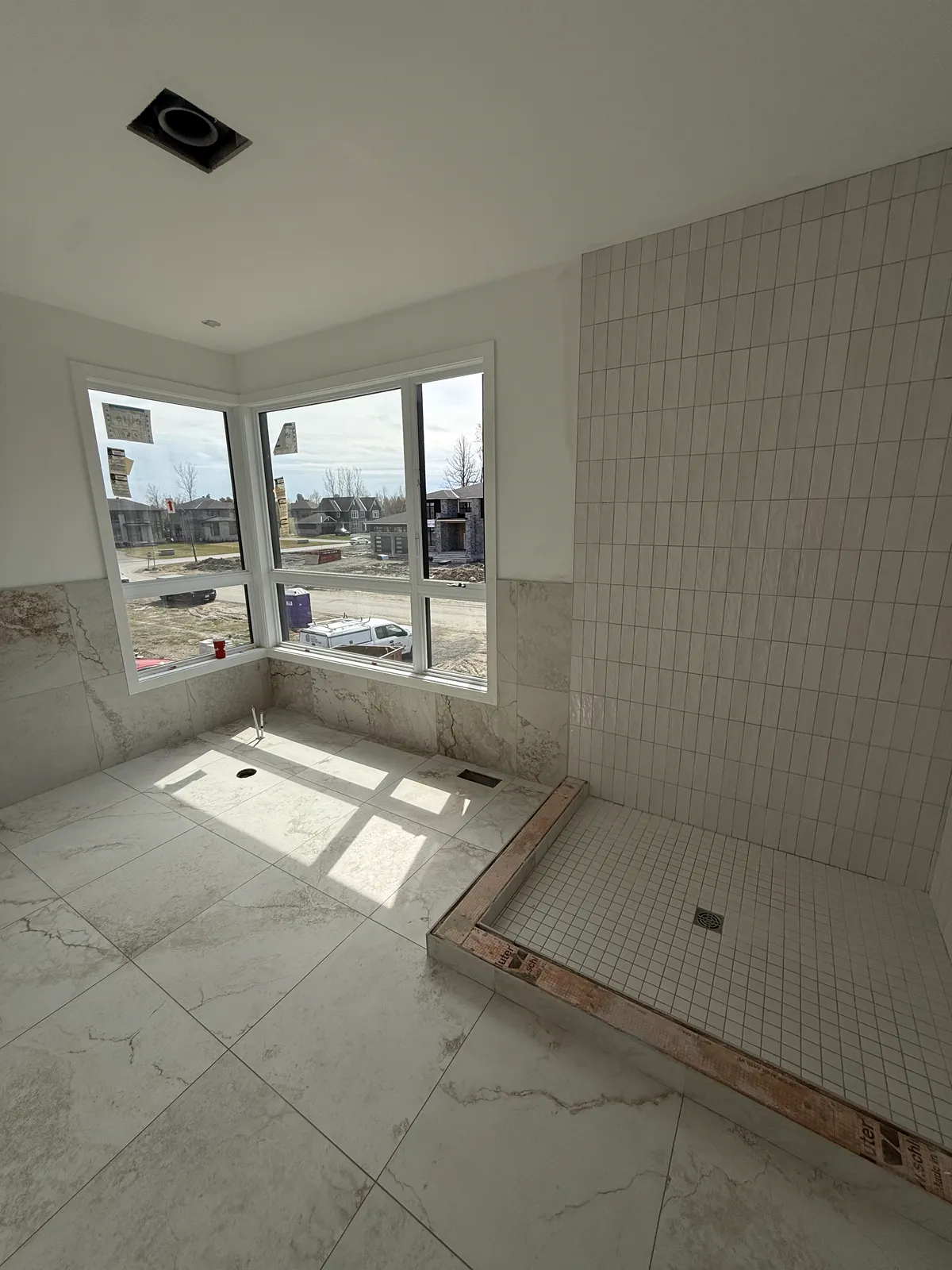
- Bathrooms and ensuites: the classic choice, and the one people mention most after the renovation.
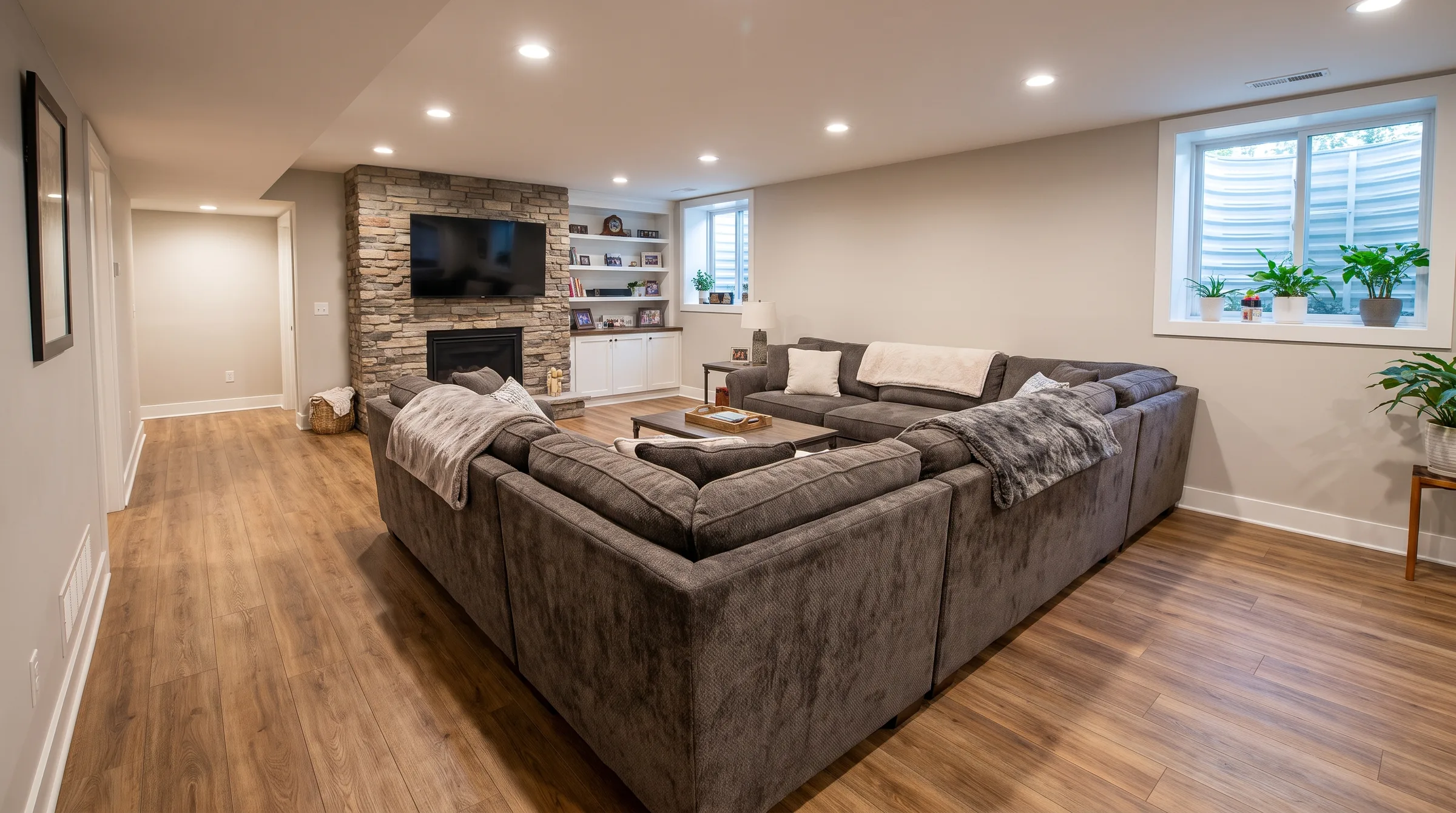
- Basements on concrete: slabs are cold year-round. A thermal-break version (such as DITRA-HEAT-DUO) helps the floor warm up. See basement flooring.
- Entries and mudrooms: warm tile helps dry boots and slush faster in winter.
- Kitchens with tile: in the main standing areas, not under cabinets.
Where it's less worth it
- Rooms that are already warm, or floors covered mostly by rugs and furniture.
- Under carpet, where the padding insulates the heat.
- Large open areas on electric heat, where hydronic is usually more economical.
Does it work under any flooring?
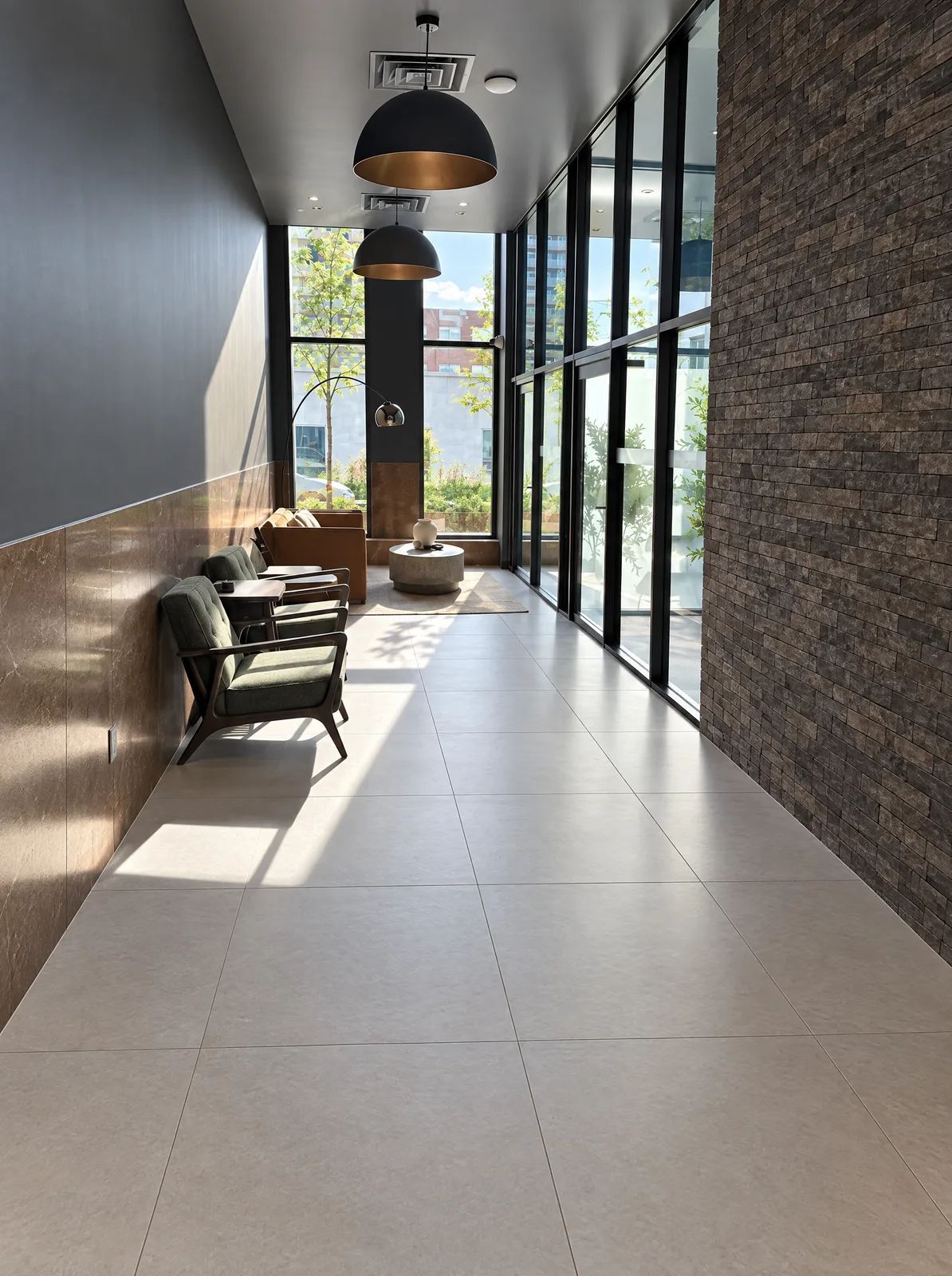
Tile and stone are ideal: they conduct heat well and aren't damaged by it. Engineered hardwood, luxury vinyl and laminate can be heated in some cases, but each product has a maximum surface temperature and approved heating types. Check before you buy. See porcelain vs ceramic tile for the most common heated-floor tile choices.
Does it add value?
Heated bathroom floors are a feature buyers notice and remember, and they cost relatively little to add during a renovation that's already replacing the floor. They cost far more to add later, because the tile has to come up. If the floor is being redone anyway, that's the time to decide.