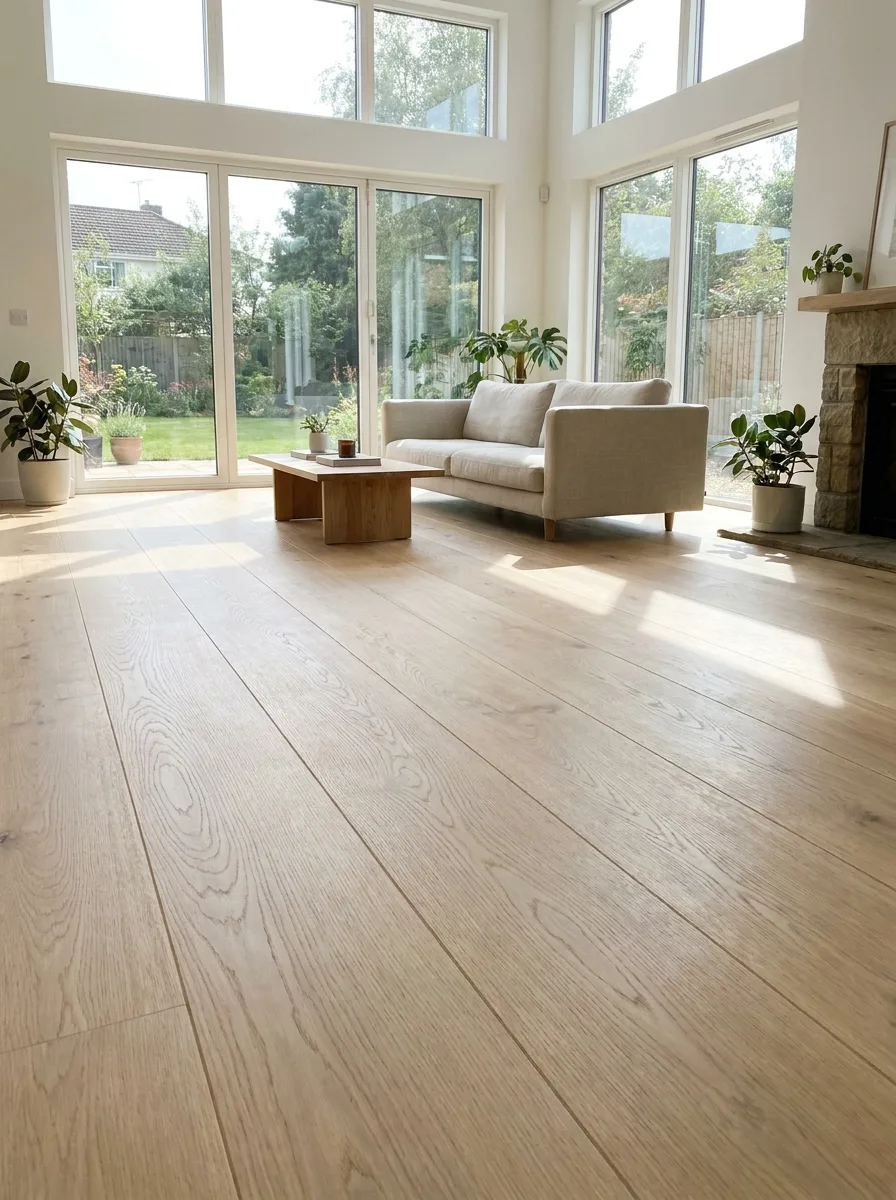

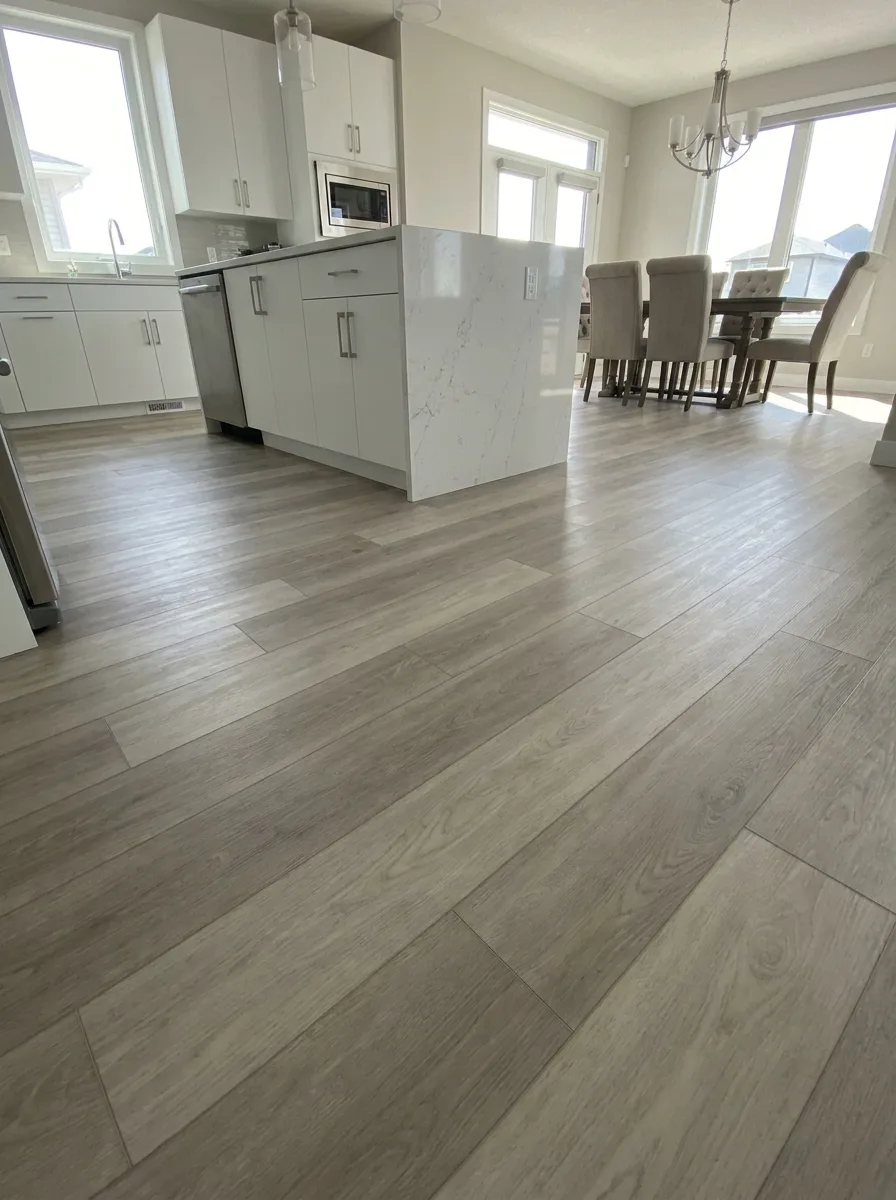
Short answer
Sweep or vacuum, then damp-mop with a pH-neutral cleaner made for vinyl. Don't use steam mops, wax, or rubber- or latex-backed mats (they can permanently stain vinyl). Put felt pads under furniture and block strong direct sun to prevent fading.
Luxury vinyl plank (LVP) and vinyl tile are water-resistant and hard-wearing, which is why they're so popular in kitchens, basements and condos. They don't need much, but a few common habits can damage them.
Everyday cleaning
- Sweep, dust-mop or vacuum (hard-floor setting, no beater bar) to pick up grit.
- Damp-mop with a pH-neutral cleaner made for vinyl or resilient floors. Wring the mop well: water-resistant doesn't mean it should be flooded.
- Wipe up spills promptly, especially dyes, hair products and markers.
Avoid
- Steam mops. Heat and pressurised steam can weaken the adhesive and the planks' locking joints, and most vinyl manufacturers rule them out.
- Rubber- or latex-backed mats and rugs. A chemical reaction can leave yellow or brown stains that don't come out. Use mats labelled safe for vinyl floors.
- Wax, polish, oil soaps and "mop and shine" products, which leave a dull, sticky build-up.
- Abrasive cleaners and scrub pads.
Protecting the floor
- Felt pads under chairs and table legs; replace them when they wear down or collect grit.
- Wide, flat protectors under heavy furniture and appliances. Avoid small hard points that can dent.
- Chair mats under office chairs with casters.
- Blinds or curtains on big south- and west-facing windows to limit fading and heat build-up.
- Lift, don't drag, heavy items when moving them.
Scuffs and marks
Most scuffs come off with a soft cloth and a little of your vinyl cleaner. A damaged plank can usually be replaced on its own, which is a good reason to keep a few spare planks from your installation.
More care guides: see all our floor care guides.