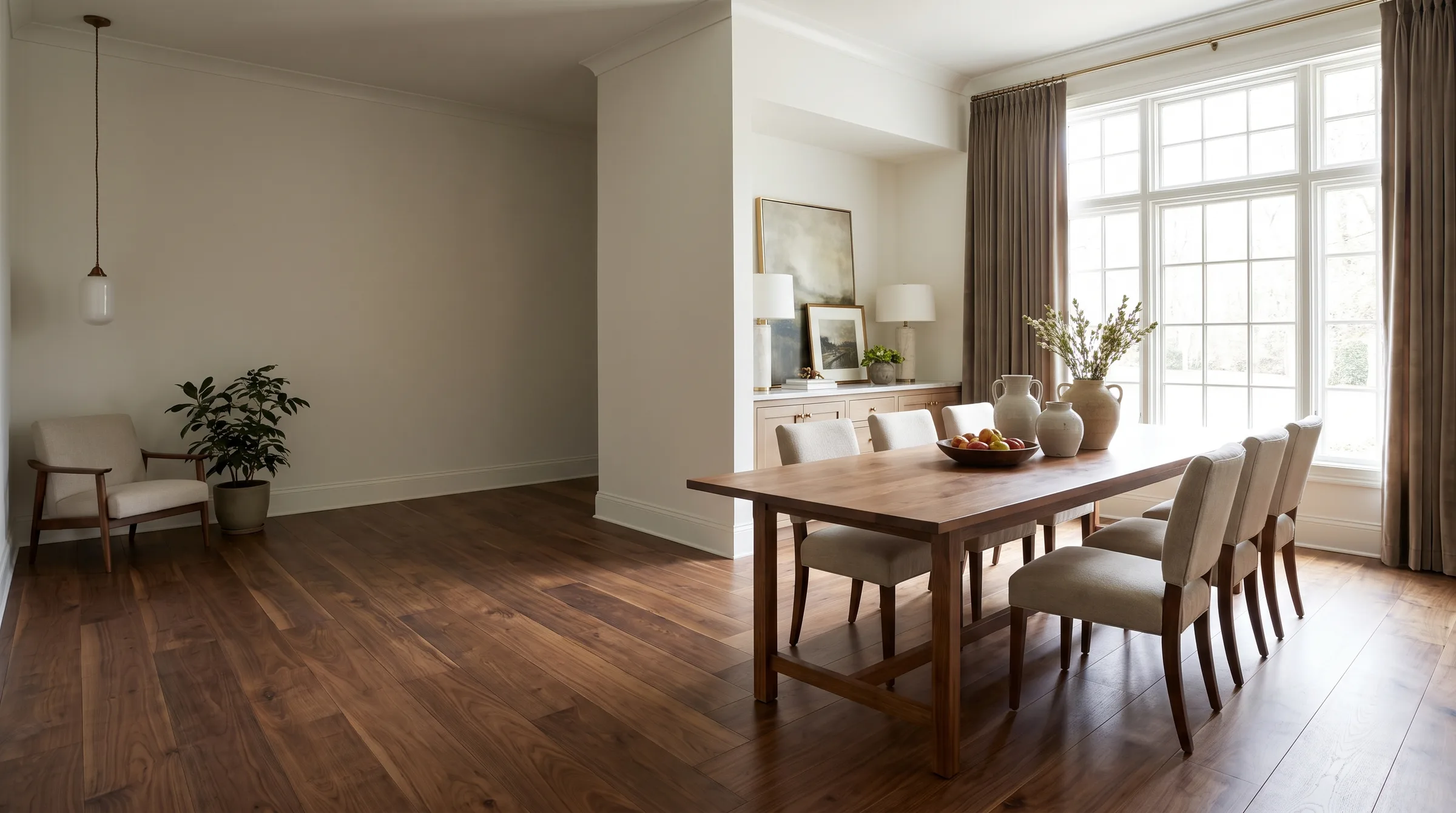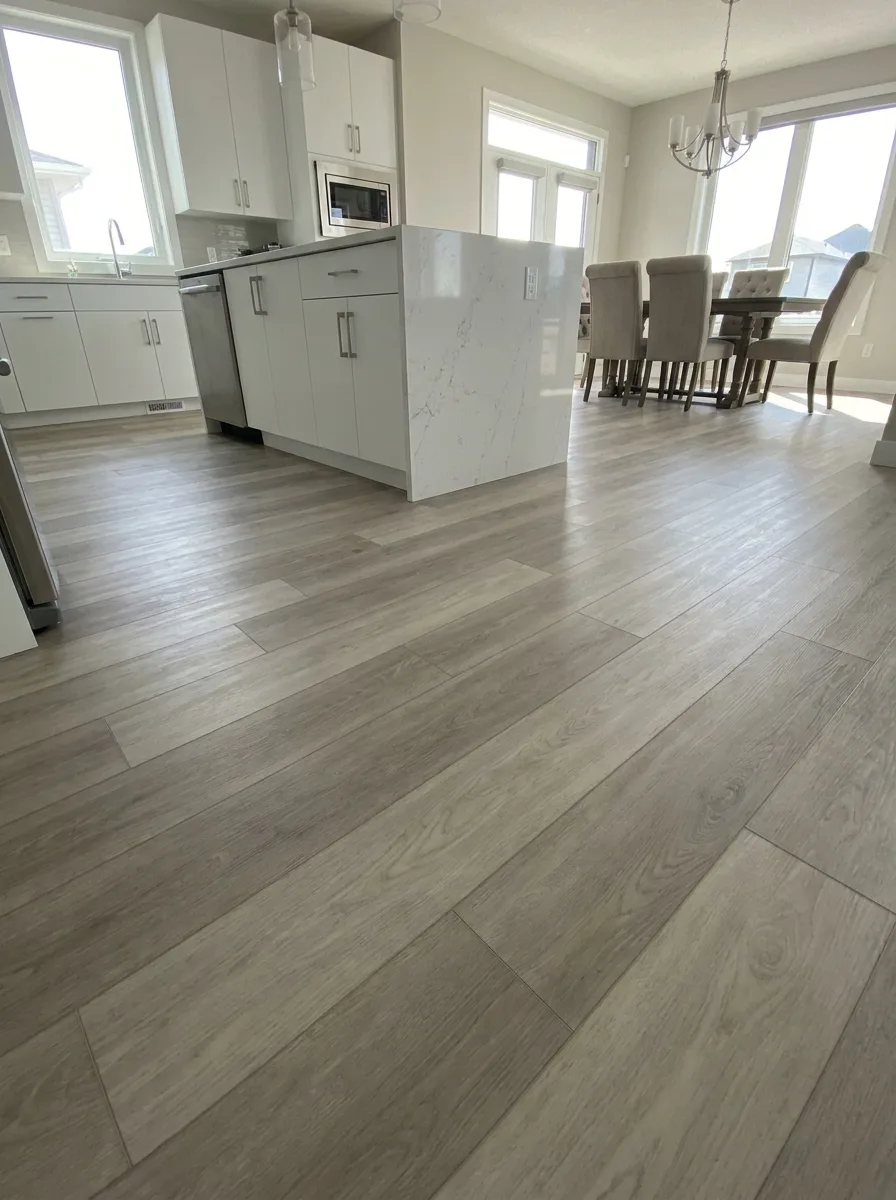

Short answer
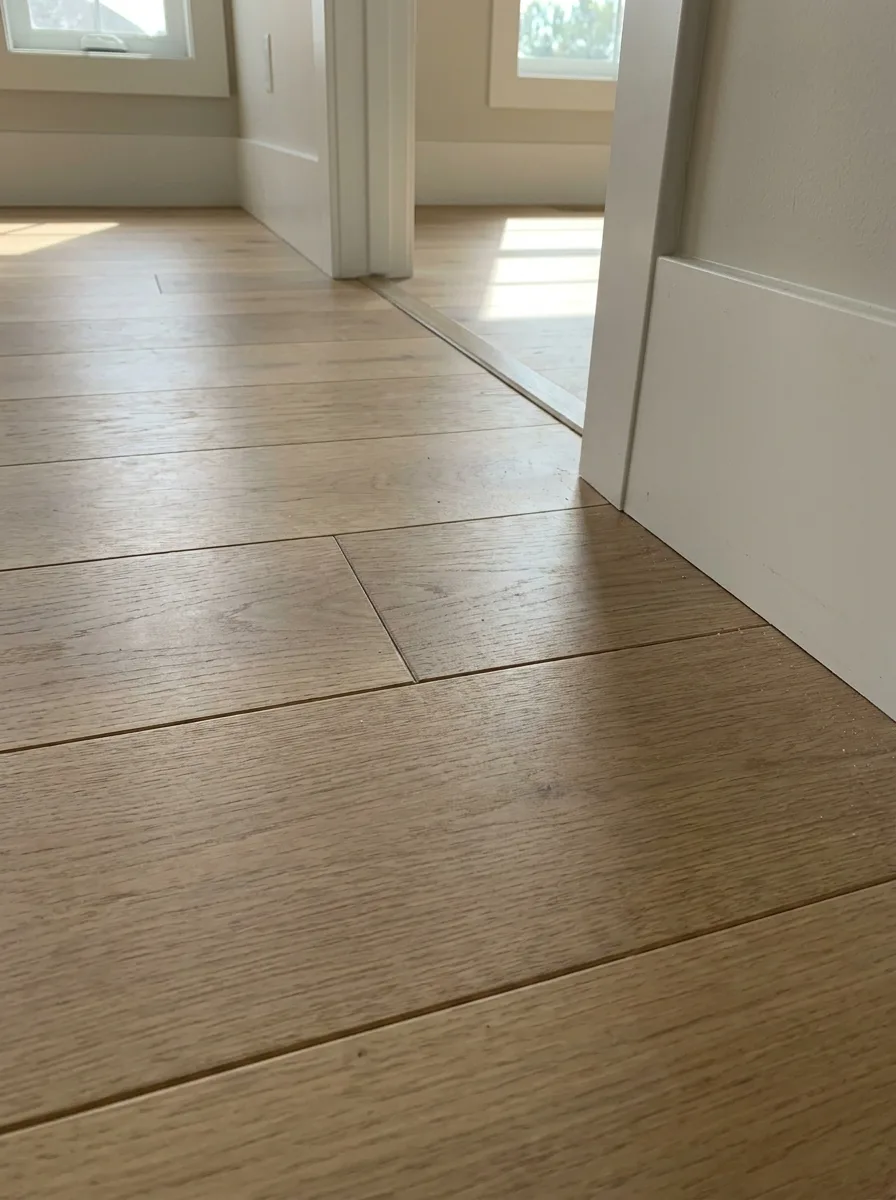
Thin gaps between hardwood boards in winter are usually normal: dry indoor air makes wood shrink. Keep indoor humidity within your floor manufacturer's range (often around 35 to 55 percent) with a humidifier, stop salt and grit at the door with mats, and clean with a barely damp microfibre mop, never a soaking wet mop or steam mop.
Ottawa winters are tough on wood floors. Outside it is cold and damp; inside, the furnace dries the air. Add road salt, sand and melting snow tracked in on boots, and January is when hardwood takes the most punishment. A few habits make a big difference.
Why hardwood gaps appear in winter
Wood gains and loses moisture with the air around it. When heated winter air gets very dry, the boards give up moisture and shrink slightly, and thin gaps open between them. In summer, humid air makes them swell again and the gaps close. This seasonal movement is normal for solid hardwood and is one reason engineered hardwood is popular: its layered core moves less.
The problems start when the swings are extreme. Very dry air can open wide gaps and even make the finish check or boards split; very humid air in summer can make boards cup (edges higher than the middle) or, in severe cases, buckle.
Aim for steady humidity
Most flooring manufacturers specify an indoor relative humidity range, commonly somewhere around 35 to 55 percent, and a temperature range. Staying inside it also protects your warranty.
- Measure it: an inexpensive digital hygrometer tells you where you are. Check a couple of rooms.
- Winter: a humidifier, either on the furnace or portable units, keeps the air from getting too dry. On the coldest days, very high indoor humidity can cause condensation on windows, so aim for the lower end of the range when it is extremely cold outside.
- Summer: air conditioning or a dehumidifier keeps humidity from climbing too high, especially in basements.
Stop salt and grit at the door
Road salt and sand act like sandpaper on a floor finish, and salty meltwater can leave a white film and damage the finish if it sits.
- Put a rough outdoor mat outside and an absorbent mat inside every entry.
- Use a boot tray so wet boots are not left on the wood.
- Wipe up puddles and salt residue promptly with a damp cloth, then dry the spot.
- Avoid rubber-backed mats directly on some finishes; they can discolour the floor. Check your flooring care guide.
Clean it the right way
- Sweep or vacuum often with a hard-floor setting (no beater bar).
- Mop with a barely damp microfibre pad and a cleaner made for your floor's finish.
- Do not wet-mop, use steam mops, or use vinegar, ammonia, oil soaps or wax on a modern factory finish unless the manufacturer says so. Excess water and the wrong products are the most common causes of finish damage.
Everyday protection
- Felt pads under chair and table legs, replaced when they wear.
- Rugs in high-traffic paths and under desk chairs (with a chair mat).
- Lift, don't drag, furniture and appliances.
- Trim pets' nails to reduce scratches.
When to call a pro
Call an installer if gaps stay wide even in summer, boards cup or lift, the floor feels soft or squeaks badly, or there is water damage. Those usually point to a moisture source or an installation or subfloor issue rather than normal seasonal movement.